

Permit to Work (PTW) System Training in Pakistan – By Adroit Group

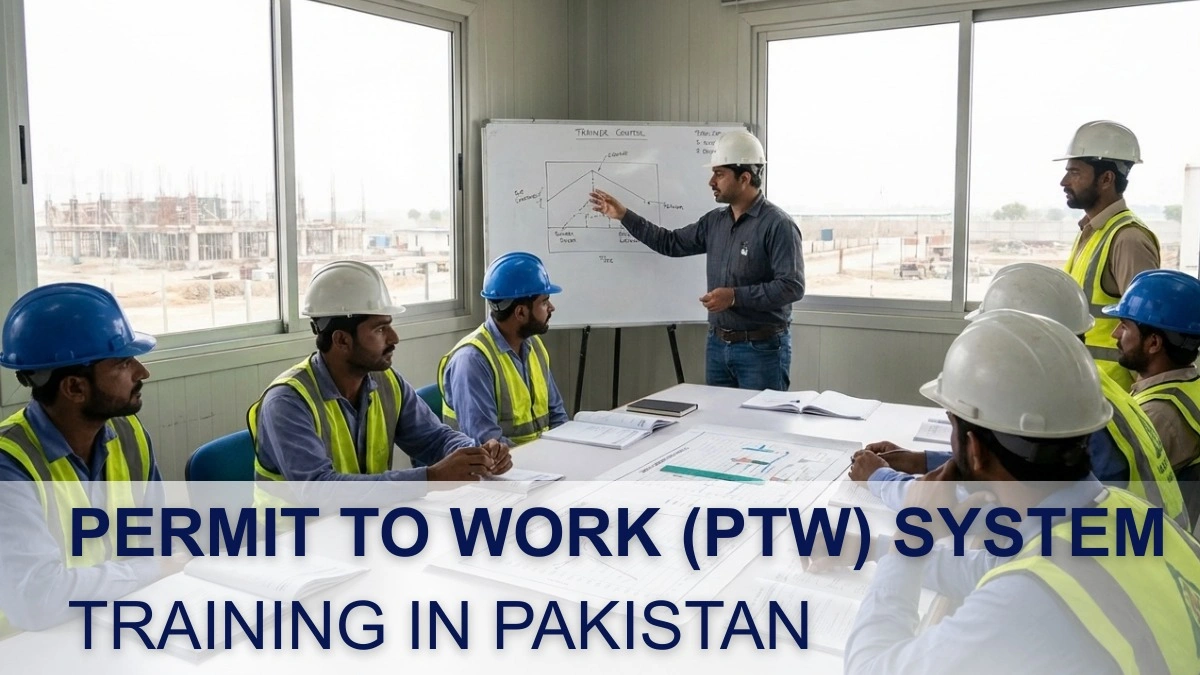
PERMIT TO WORK (PTW) SYSTEM TRAINING IN PAKISTAN – BY ADROIT GROUP
SAFE WORK AUTHORISATION & CONTROL TRAINING DELIVERED BY ADROIT TRAININGS
The Permit to Work (PTW) System Training in Pakistan, delivered by Adroit Group through Adroit Trainings, is a practical and control-focused programme designed to ensure that high-risk and non-routine work activities are properly planned, authorised, monitored, and completed safely. This structured training strengthens workplace safety by improving how hazardous tasks are managed and controlled.
The Permit to Work (PTW) System plays a critical role in preventing serious workplace accidents by ensuring that all risks are identified before work begins. This programme provides a clear understanding of PTW procedures and how they integrate with risk assessments, HIRA/HIRADC, and Job Safety Analysis (JSA). The training is highly relevant for construction, oil & gas, manufacturing, power plants, maintenance, and industrial workplaces across Pakistan.
WHY CHOOSE PERMIT TO WORK (PTW) SYSTEM TRAINING?
Many workplace incidents occur due to poor control of hazardous tasks. A properly implemented Permit to Work (PTW) System ensures that dangerous activities are authorised, supervised, and completed safely. Through Adroit Trainings, organisations can build strong safety controls and prevent unauthorised work.
- Control high-risk and non-routine activities
- Prevent unauthorised or unsafe work practices
- Improve coordination between departments
- Reduce serious injuries, fires, and explosions
- Strengthen HSE and ISO compliance
- Improve planning, supervision, and accountability
The training focuses on real Permit to Work (PTW) System forms, practical scenarios, and hands-on exercises to ensure participants gain practical confidence.
WHO SHOULD ATTEND?
The Permit to Work (PTW) System Training is suitable for professionals responsible for planning, supervising, authorising, or performing hazardous work activities. No prior PTW experience is required, making this programme accessible to both new and experienced professionals.
- Safety officers and HSE professionals
- Supervisors and line managers
- Site engineers and maintenance teams
- Permit issuers and permit receivers
- Contractors and subcontractors
- Operations and facility managers
- Project managers and coordinators
BENEFITS OF IMPLEMENTING A PERMIT TO WORK (PTW) SYSTEM
Implementing a structured Permit to Work (PTW) System improves workplace safety performance and reduces operational risks. Both individuals and organisations benefit from stronger work authorisation controls and improved hazard management.
- Clear understanding of PTW roles and responsibilities
- Improved control of hazardous activities
- Reduced accidents and serious incidents
- Better communication between departments
- Stronger compliance with safety regulations
- Enhanced safety culture and accountability
COURSE CONTENT – PERMIT TO WORK (PTW) SYSTEM TRAINING
This comprehensive Permit to Work (PTW) System syllabus ensures participants can issue, receive, monitor, and close permits safely and effectively in real industrial environments.
1. Introduction to Permit to Work (PTW) System
- Definition and purpose of PTW
- Importance of work authorisation
- Legal and organisational requirements
- PTW vs routine work procedures
2. Types of Permit to Work
- Hot Work Permit
- Cold Work Permit
- Confined Space Entry Permit
- Electrical / Isolation Permit
- Work at Height Permit
- Excavation Permit
- Lifting Operations Permit
3. Roles & Responsibilities
- Permit issuer (authorised person)
- Permit receiver (work performer)
- Area owner / supervisor
- Safety officer / HSE representative
- Contractor responsibilities
4. Risk Assessment & PTW Integration
- Linking PTW with HIRA/HIRADC
- Job Safety Analysis (JSA)
- Hazard identification before permit issue
- Selection of control measures
5. Permit Preparation & Authorisation
- Completing PTW forms correctly
- Defining scope and work limits
- Validity period and handover
- Approval and authorisation process
6. Isolation & Control Measures
- Energy isolation (LOTO awareness)
- Gas testing and monitoring
- Barricading and signage
- PPE requirements
7. Monitoring & Supervision
- Displaying permits at worksites
- Toolbox talks and briefings
- Inspection and supervision
- Permit suspension and cancellation
8. Permit Closure & Handover
- Work completion checks
- Area reinstatement
- Permit close-out procedures
- Shift handover requirements
9. Common PTW Failures & Lessons Learned
- Common PTW mistakes
- Real accident case studies
- Preventing PTW breakdowns
- Continuous system improvement
TRAINING DELIVERY OPTIONS
The Permit to Work (PTW) System Training is delivered across Pakistan through flexible formats designed to meet organisational needs.
- On-site workplace training
- Classroom-based sessions
- Corporate customised programmes
- Practical workshops using real PTW forms
- Industry-specific PTW training
CERTIFICATION
Participants successfully completing the Permit to Work (PTW) System Training receive an official certificate issued by Adroit Trainings, recognised by organisations across Pakistan.
WHY TRAIN WITH ADROIT GROUP?
- Experienced HSE and safety trainers
- Practical, hands-on learning
- Real-world PTW case studies
- Flexible training schedules
- Competitive and cost-effective fees
- Dedicated corporate support
ENROL TODAY
Strengthen your organisation’s control over hazardous activities by implementing an effective Permit to Work (PTW) System. Join the leading PTW training programme delivered by Adroit Trainings and build a safer, compliant, and professionally managed workplace environment.