


A Complete Guide to the German Language Course in Pakistan
The German Language Course in Pakistan has become one of the best ways for students, professionals, and immigrants to get ahead in their careers and in school. Taking a German language course in Pakistan is no longer just about learning a new language; it's also a smart investment that can lead to higher education, jobs around the world, scholarships, and immigration opportunities.
The German Language Course in Pakistan gives people who want to study, work, or live in Germany, Austria, Switzerland, or other German-speaking areas an edge in today's competitive global market.
Why Take a German Language Course in Pakistan?
A German language course in Pakistan is more than just a way to learn the language. It gives:
- Getting into German universities
- Chances to get a scholarship
- More job opportunities
- Help with immigration
- Growth in your career
A German Language Course in Pakistan is becoming more and more important for Pakistani students and professionals who want to move around the world.
The Importance of German Around the World
More than 120 million people around the world speak German, making it one of the most common languages in Europe.
Main Benefits:
- The most spoken native language in Europe
- Important part of business around the world
- A strong presence in European economies
- Necessary for professional communication
By taking a German Language Course in Pakistan, students can directly take advantage of these global benefits.
Germany as a Global Career Center
Germany has one of the strongest economies in the world and is a leader in:
- Engineering
- Technology for information
- Health care
- The car industry
- Making
A German Language Course in Pakistan helps Pakistani candidates get ready for these high-demand fields by making them better at communicating, getting a job, and competing for jobs.
German Language Course in Pakistan for College and University
Pakistani students love going to Germany because of its:
- Education that is cheap or free
- Colleges and universities that are known around the world
- Good chances to do research that is high quality
- Low cost of living
A German Language Course in Pakistan is necessary for academic preparation because most undergraduate programs require students to speak German.
Common Areas of Study:
- Engineering
- Science of Computers
- Running a business
- The Social Sciences
- Health care
Taking a German language course in Pakistan greatly increases your chances of getting into college.
Levels of German Language Courses in Pakistan
Most German Language Course in Pakistan programs use the CEFR framework:
- A1—Beginner
- A2—Basic
- B1—Intermediate
- B2—Upper Intermediate
- C1—Advanced
- C2 – Professional Level
This structured progression helps students slowly improve their reading, writing, listening, and speaking skills.
Advantages for Your Career of Taking a German Language Course in Pakistan
Taking a German language course in Pakistan opens up job opportunities in many fields.
Paths to a Career:
- Translator for German
- Translator
- Customer service expert
- Professional in international business
- Expert in IT
- Engineer
- Worker in healthcare
- Teacher of language
Being able to speak German greatly increases your chances of getting a job, making more money, and moving up in your career internationally.
German Language Course in Pakistan for Moving
For Pakistanis who want to move to Germany, a German Language Course in Pakistan can help with:
- Applications for work visas
- Steps to getting permanent residency
- Ways to become a citizen
- Getting along with others
Being able to speak German often makes it easier to get a visa and stay in the country for a long time.
Why German is Important for Business
Germany is still the best country in the world for trade, technology, and business partnerships.
A German Language Course in Pakistan offers:
- Getting into European markets
- Benefits of corporate communication
- Better networking with people from other countries
- Business opportunities that are competitive
People who can speak German often get better jobs in multinational companies.
Certificates in the German Language
A good German language course in Pakistan gets students ready for internationally recognised certifications like:
- Certificate from Goethe
- TestDaF
- telc
- ÖSD
These certifications are very important for:
- Getting into college
- Work
- Moving to a new country
- Getting a professional licence
Personal Growth Through a German Language Course in Pakistan
A German Language Course in Pakistan also helps with more than just work and school:
- Confidence in talking to people
- Flexibility in thinking
- Being aware of the world
- Growth as a person
- Understanding other cultures
Learning German improves both your mind and your career.
Why You Should Take a German Language Course in Pakistan
Big Benefits:
- Go to school in Germany
- Get scholarships
- Make a career in other countries
- Make it easier for people to move to the US
- Learn skills that are useful all over the world
- Make yourself more competitive in your field
Last Thought
One of the best long-term investments for Pakistani students, professionals, and immigrants is a German language course in Pakistan.
It gives people ways to:
- Education abroad
- Getting ahead in your career
- Success in immigration
- Moving around the world
- Personal growth
In a world that is becoming more and more globalised, the German Language Course in Pakistan is not just an option; it is a huge strategic advantage.
Anyone who wants to have a successful future in the world should take a German Language Course in Pakistan. This can be the first big step toward reaching those goals.
How to Prepare for a German Language Course in Pakistan: A Complete Guide to Success
Getting Ready for a German Language Course in Pakistan
Taking a German language course in Pakistan is more than just learning a new subject; it's also about learning a whole new way to talk, understand, and find opportunities around the world. A lot of students in Pakistan start a German Language Course with a lot of motivation, but without the right plan, they often get overwhelmed by grammar, pronunciation, vocabulary, and sentence structure.
To get ready for a German Language Course in Pakistan, you need to be patient, stick to your plans, and think ahead. You can't learn German right away, but with the right help, a structured way of learning, and daily practice, anyone can get very good at it.
If your goal is:
- Go to school in Germany
- Get a job abroad
- Ask for immigration
- Get scholarships
How well you do in your German Language Course in Pakistan will have a big impact on how well you do in life.
Why it's important to prepare for a German language course in Pakistan
A lot of students don't realise how important it is to plan ahead and just start studying without a clear plan. This can lead to confusion, inconsistency, and slower progress.
A well-organised German Language Course in Pakistan helps students:
- Have a clear understanding of ideas
- Gain confidence in speaking
- Don't make common mistakes when learning
- Do better on the Goethe or TestDaF tests
- Get better at talking to people in real life
Without planning ahead, even simple ideas in a German Language Course in Pakistan can seem too hard.
Understanding the Levels of a German Language Course in Pakistan (CEFR Framework)
Most German Language Course in Pakistan programs use the CEFR levels that are accepted around the world:
Levels:
- A1 – Newbie
- A2 – Basic
- B1 – Intermediate
- B2 – Upper Intermediate
- C1 – Advanced
- C2 – Professional Proficiency
Every level of a German Language Course in Pakistan builds on what you already know.
Simple progression:
- A1: Simple words and phrases
- A2: Conversations every day
- B1: Talking to each other on your own
- B2: Talking to people at school and at work
- C1: High level of fluency
- C2: Almost native-level proficiency
Long-term success comes from mastering each level the right way.
Getting Ready for a Step-by-Step German Language Course in Pakistan
1. First, work on your pronunciation
Focusing only on vocabulary is one of the worst things you can do in a German language course in Pakistan.
A better way:
- Learn how to make sounds
- Work on your pronunciation
- Listen every day
- Say it out loud
Good pronunciation makes it easier to communicate.
2. Build Your Vocabulary on Purpose
Preparation for a good German language course in Pakistan should focus on learning useful words and phrases instead of just memorising random ones.
A smart plan:
- Learn words you use every day
- Work on making sentences
- Talk to people using words
- Always review
Using practical vocabulary helps you remember things much better.
3. Learn grammar one step at a time
At first, German grammar can seem hard, but a structured German Language Course in Pakistan makes it easier to understand.
Pay attention to:
- How sentences are put together
- Situations
- Pieces
- Action words
- Tenses
Important advice:
Learn grammar before you try to remember the rules.
4. Make speaking skills a top priority
One of the most important parts of any German language course in Pakistan is speaking.
Plan for success:
- Talk from the first day
- Talk about simple things
- Don't be afraid of making mistakes
- Concentrate on fluency
You get more confident by practicing.
5. Improve Your Listening Skills
People often don't realise how important listening is when they prepare for a German Language Course in Pakistan.
Practice by:
- Dialogues in German
- Videos for learning
- Audio shows
- Repeating audio
Listening gets better:
- How to say it
- Understanding
- Speed of communication
6. Get better at reading
Reading helps you:
- Word choice
- Recognising grammar
- Understanding
- Understanding how sentences are put together
How to read:
- Read simple texts first
- Make new words stand out
- Read a lot
- Slowly make things more complicated
7. Improve the accuracy of your writing
Writing should also be a top priority for a good German language course in Pakistan.
Practice writing:
- Sentences every day
- Writing paragraphs
- Messages
- Papers
Writing gets better:
- Grammar
- Clear
- Control over vocabulary
German Language Course in Pakistan Getting Ready for Tests
For tests like:
- Goethe-Zertifikat
- TestDaF
- telc
- ÖSD
Preparation must include:
- Practice tests
- Managing time
- Knowing how the test works
- Analysing weaknesses
Mock testing makes performance much better.
German Language Course in Pakistan for Studying Abroad
Pakistani students who want to go to college should focus on the following in a German Language Course in Pakistan:
- Vocabulary for school
- Understanding the lecture
- Writing that is organised
- Professional communication
This makes it easier to adjust to German universities.
German Language Course in Pakistan to Help You Get Ahead in Your Career
If you want to work in Pakistan, you should take a German language course and focus on:
- Words used in business
- Getting ready for an interview
- Talking to people at work
- Language that is specific to the industry
Being good at German makes it much easier to get a job.
German Language Course in Pakistan for Moving to Germany
A German Language Course in Pakistan should get students ready for:
- Talking to each other every day
- Processes of the government
- Integration into society
- Interacting at work
Being able to communicate well is often the key to long-term success abroad.
Problems that are common in German language courses in Pakistan
Challenge 1:
"It's too hard to learn German."
The truth is:
Consistency makes German easier to learn.
Problem 2:
"I forget words."
Answer:
Use vocabulary in real-life situations.
Problem 3:
"I fear speaking."
Answer:
Speaking practice on a regular basis builds confidence.
Daily Schedule for German Language Class in Pakistan
Suggested plan:
- Vocabulary for 20 minutes
- 20 minutes of grammar
- 20 minutes of listening
- 20 minutes of talking
Rule:
It's better to study consistently than to study a lot all at once.
6-Week German Language Course in Pakistan: How to Get Ready
Week 1–2:
- The Basics
- How to say it
- Structures of sentences
Week 3–4:
- Talking
- Hearing
- Reading
Week 5:
- Writing
- Practice tests
Week 6:
- Change
- Building trust
- Speaking at a higher level
This structure works well and is very useful.
Things to Stay Away From
Don't:
- Putting off the start
- Not talking
- Too much information
- Study that isn't consistent
- Remembering things without understanding them
Avoiding these mistakes makes learning much more effective.
Advantages of Getting Ready for a Good German Language Course in Pakistan
Big benefits:
- Doing well in school
- Job openings
- Help with visas
- Talking to people all over the world
- Trust
- Growth in your career
Strategic preparation turns learning a language into success in the real world.
Last Thoughts
A German language course in Pakistan isn't about getting everything right; it's about making steady progress.
With:
- A smart plan
- Consistency every day
- Useful communication
- Organised planning
Students and professionals can become fluent and open up global opportunities.
If you want to study abroad, move to another country, or get ahead in your career, taking a German Language Course in Pakistan is one of the best long-term investments you can make.
German Course Overview

Germany Master's & PhD Admission Guide 2027
A complete guide for Pakistani students
Germany Master's & PhD Admission Guide 2027
A Complete Guide for Pakistani Students
Prepared by Adroit Education
Adroit Group of Companies (Pvt.) Ltd.
Your One Window Global Partner
1. Introduction: Study in Germany
Germany is one of the world's leading destinations for higher education, research and professional development. Its universities are internationally recognised for academic quality, modern research facilities, practical learning and strong connections with global industries.
For Pakistani students, Germany offers opportunities to pursue Master's and PhD programmes in areas such as engineering, information technology, business, natural sciences, healthcare, medicine and social sciences.
Many public universities offer programmes with no or relatively low tuition fees, although semester contributions and other costs may apply. Students can also explore scholarships, research funding and employment opportunities, depending on their academic profile and programme.
Through Adroit Education, students can receive guidance on university selection, admission documents, scholarship searches and the application process.
This guide explains the main requirements and procedures for Pakistani students interested in Master's and PhD admissions in Germany for the 2027 intake.
2. Why Choose Germany for Higher Education?
2.1 World-Class Education
German universities are known for high academic standards, experienced faculty, advanced research facilities and internationally recognised qualifications. Students benefit from a combination of academic knowledge and practical learning.
2.2 Low or No Tuition Fees
Many public universities in Germany do not charge general tuition fees for certain degree programmes. However, students usually pay a semester contribution. Some universities and federal states also charge tuition fees for particular student groups or programmes.
Private universities generally have their own tuition structures. Students should always check the official fee information for their chosen institution.
2.3 Scholarship Opportunities
International students can explore several funding opportunities, including:
- DAAD scholarships
- Erasmus+ funding opportunities
- Heinrich Böll Foundation scholarships
- Friedrich Ebert Foundation scholarships
- Konrad Adenauer Foundation scholarships
- German Research Foundation (DFG) research funding and funded research positions
Scholarship eligibility, funding amounts and application deadlines vary. Not every scholarship covers tuition, accommodation and all living expenses. Applicants should check the official scholarship conditions before applying.
2.4 High-Quality Research and Practical Learning
Germany has a strong research environment in engineering, technology, medicine, business, natural sciences and other academic fields.
Students may have opportunities to participate in research projects, laboratory work, industry collaborations and academic conferences.
2.5 English-Taught Study Programmes
Many German universities offer Master's and doctoral programmes taught in English. This allows eligible international students to apply without necessarily having German-language proficiency.
However, some programmes require German language skills, and learning German can be helpful for daily life, employment and integration.
2.6 Work Opportunities During Studies
International students with the appropriate residence status can work under Germany's student employment rules.
In 2026, third-country students can generally work up to 140 full days or 280 half-days per calendar year. An alternative limit of up to 20 hours per week during the lecture period is also described in official guidance.
Students should check the conditions of their residence permit and current regulations before accepting employment.
2.7 Post-Graduation Opportunities
Graduates of German higher education institutions may qualify for a residence permit of up to 18 months to look for qualified employment after successfully completing their studies.
During this period, eligible graduates may work while searching for suitable employment. A subsequent residence permit may be possible if they secure qualifying employment and meet the relevant conditions.
2.8 International Career Opportunities
Germany has established companies and research organisations in automotive engineering, manufacturing, information technology, healthcare, finance and scientific research.
Companies such as BMW, Mercedes-Benz, Siemens, Bosch, Volkswagen, Airbus and SAP are examples of organisations operating in these sectors.
A German qualification can support international career development, although employment depends on the graduate's qualifications, experience, language skills and the labour market.
2.9 Quality of Life and Student Services
Germany offers public transport networks, healthcare services, student support facilities and a wide range of cultural and academic activities.
Living costs vary significantly by city, accommodation type and lifestyle. Students should prepare a realistic financial plan before travelling.
2.10 International Travel
Students with a valid German residence permit and passport may generally travel to other Schengen countries for short visits, subject to applicable entry and travel conditions.
A German residence permit does not provide unrestricted permission to live or work in other European countries.
PART A: MASTER'S ADMISSION IN GERMANY
3. Master's Admission Requirements
Pakistani students who have completed a recognised Bachelor's degree may be eligible to apply for Master's programmes in Germany.
Admission decisions are made by individual universities. Requirements can differ according to the subject, degree structure, academic results and language of instruction.
3.1 Academic Qualification
The general academic profile recommended by Adroit Education is:
- A completed Bachelor's degree from a recognised institution.
- Preferably a CGPA of 3.0 or above, depending on the university's grading requirements.
- A relevant academic background for the selected Master's programme.
- Matric and Intermediate academic records for the complete educational history.
Some programmes require a specific number of credit hours, subject modules or a particular Bachelor's qualification.
A CGPA of 3.0 is a suggested profile, not a universal German admission requirement.
3.2 English Language Requirements
For English-taught programmes, universities may accept IELTS, TOEFL or other recognised language qualifications.
The preliminary language guidance provided by Adroit Education is:
- IELTS: approximately 6.0, subject to the programme's requirements.
- TOEFL: accepted scores depend on the university and the test format.
Some programmes may require higher scores or minimum individual band results. Other universities may accept alternative proof of English proficiency.
Applicants must verify the accepted test and minimum score on the official programme page.
3.3 German Language Requirements
German-taught programmes generally require proof of German-language proficiency.
The required level depends on the university and programme. Some institutions require B2, C1 or another specified qualification.
3.4 Study Gap
Adroit Education can assess applicants with previous study gaps.
A gap of up to five years may be considered for preliminary assessment, but acceptance is not guaranteed. Universities and visa authorities may assess the applicant's academic history, employment, activities and reasons for the gap.
Applicants should prepare relevant employment letters, training certificates or other supporting documents where applicable.
4. Documents Required for Master's Admission
Applicants should prepare the following documents for initial assessment and university applications.
Academic Documents
- Matric certificate and marks sheet, preferably with above 60% marks, attested by IBCC where required.
- Intermediate certificate and marks sheet, preferably with above 60% marks, attested by IBCC where required.
- Bachelor's degree certificate, preferably with a CGPA of 3.0 or above, attested by HEC where required.
- Bachelor's transcript, attested by HEC where required.
- Course curriculum or detailed course descriptions, if available.
Personal and Professional Documents
- Updated Europass CV.
- Valid passport.
- Copies of all previous passports, where available.
- Pakistani CNIC.
- Experience letters, if applicable.
Language and Application Documents
- IELTS, TOEFL or another accepted language certificate, if required.
- Letter of Motivation or Statement of Purpose.
- Recommendation letters, if required by the university.
- Additional documents requested by the selected university.
Important: IBCC and HEC attestation requirements should be checked against the latest university and German mission instructions. Additional document verification, certified translations or legalisation may be required in particular cases.
PART B: PhD ADMISSION IN GERMANY
5. PhD Admission Requirements
Germany offers doctoral research opportunities through universities, research institutions and structured doctoral programmes.
Applicants generally need a recognised Master's degree or an equivalent qualification that meets the doctoral regulations of the relevant institution.
Some exceptional routes may be available to particularly qualified Bachelor's graduates, but these depend on the university and subject-specific rules.
5.1 Academic Qualification
The preliminary academic profile recommended by Adroit Education is:
- Completed Bachelor's degree from a recognised institution.
- Completed Master's degree or equivalent qualification.
- Preferably a CGPA of 3.0 or above in the relevant degrees.
- A strong academic background related to the intended research area.
- Evidence of research experience, where available.
The university or doctoral committee determines whether an applicant's previous qualifications meet its doctoral admission requirements.
5.2 Research Proposal
A research proposal is commonly important when applying for an individual doctorate.
It should normally explain:
- Proposed research title.
- Research background and problem.
- Research objectives.
- Research questions or hypotheses.
- Proposed methodology.
- Expected academic contribution.
- Preliminary literature review.
- Research timeline and references.
The exact format and length depend on the university, supervisor and doctoral programme.
5.3 English Language Requirements
The preliminary language requirement provided by Adroit Education is:
- IELTS: 6.5 overall.
- Minimum 6.0 in each band, where required.
However, German doctoral programmes do not have one universal IELTS requirement. Some accept TOEFL, previous English-medium education or alternative proof of language proficiency.
Applicants should verify the language requirements directly with the doctoral programme or research institution.
5.4 German Language Requirements
Many international doctoral research programmes are conducted in English. German may not be compulsory for admission to these programmes.
However, German-language proficiency can be useful for daily communication, research collaboration and future employment.
6. Documents Required for PhD Admission
Academic Documents
- Matric certificate and marks sheet.
- Intermediate certificate and marks sheet.
- Bachelor's degree certificate and transcript, preferably with a CGPA of 3.0 or above.
- Master's degree certificate and transcript, preferably with a CGPA of 3.0 or above.
- HEC attestation of Bachelor's and Master's documents where required.
Personal and Professional Documents
- Updated Europass CV.
- Valid passport.
- Copies of previous passports, where available.
- Pakistani CNIC.
- Experience letters, if applicable.
Research and Application Documents
- Research proposal, where required.
- IELTS or another accepted language certificate, where required.
- Letter of Motivation.
- Academic recommendation letters.
- Research publications, thesis or other evidence of research experience, if available.
- Any additional documents requested by the university or supervisor.
Important: A research proposal, publications and recommendation letters may be required by some programmes but are not universal requirements for every German doctorate.
7. Understanding PhD Routes in Germany
There are two common routes to doctoral study in Germany.
7.1 Individual Doctoral Studies
In the individual doctorate model, a candidate conducts research under the supervision of a professor.
The applicant normally needs to identify a suitable research area, contact a potential supervisor and obtain the required academic acceptance.
This route offers flexibility but requires the candidate to take responsibility for developing and managing the research project.
7.2 Structured PhD Programmes
Structured doctoral programmes offer organised research training, supervision and academic activities.
They may include:
- Research seminars.
- Specialist courses.
- Academic workshops.
- Interdisciplinary learning.
- Regular supervision.
- Research collaboration.
The application process and selection criteria are defined by each programme.
PART C: SCHOLARSHIPS AND FUNDING
8. Scholarship Opportunities in Germany
Pakistani students can explore scholarship opportunities for Master's and doctoral studies.
8.1 DAAD Scholarships
The German Academic Exchange Service (DAAD) offers scholarship programmes for international students, graduates, researchers and doctoral candidates.
Funding opportunities vary by academic level, subject and country of application.
Official website: Visit the DAAD official website
Scholarship database: Explore the DAAD Scholarship Database
8.2 Erasmus+
Erasmus+ supports international academic mobility and selected joint Master's programmes.
Some programmes provide scholarships covering specified participation and living costs. Eligibility and funding depend on the individual programme.
Official website: Visit the Erasmus+ official website
8.3 Heinrich Böll Foundation
The Heinrich Böll Foundation offers selected scholarship opportunities for eligible students and doctoral candidates.
Applicants should review its academic, social engagement and other eligibility criteria.
Official website: Visit the Heinrich Böll Foundation website
8.4 Friedrich Ebert Foundation
The Friedrich Ebert Foundation offers funding for eligible international students and doctoral candidates.
Its selection process may consider academic performance, personal background, social engagement and language requirements.
Official website: View Friedrich Ebert Foundation scholarships
8.5 Konrad Adenauer Foundation
The Konrad Adenauer Foundation provides selected scholarship opportunities for eligible international students and researchers.
Applicants should check the current country-specific and academic eligibility requirements.
Official website: Visit the Konrad Adenauer Foundation website
8.6 German Research Foundation (DFG)
The German Research Foundation supports research through funding programmes and research projects.
Doctoral candidates may find funded opportunities through research groups, graduate schools and participating institutions.
Official website: Visit the German Research Foundation website
8.7 Important Scholarship Information
Scholarships are competitive. Applicants may need strong academic records, a suitable research proposal, admission or supervisor confirmation, language qualifications and other supporting documents.
A scholarship should not be considered guaranteed simply because an applicant meets the basic academic criteria.
PART D: UNIVERSITY APPLICATION PROCESS
9. Step-by-Step Germany Admission Process
Step 1: Initial Profile Assessment
The applicant shares academic records, language qualifications, CV and other relevant information.
The purpose is to assess the applicant's academic background and identify suitable study options.
Step 2: Select the Programme
Choose a suitable Master's or PhD programme according to:
- Previous academic qualification.
- Subject background.
- Research interests.
- Language of instruction.
- University admission requirements.
- Tuition fees and funding options.
Step 3: University and Programme Research
Review official university websites and programme information.
Check admission deadlines, required documents, application procedures and language requirements.
Step 4: Prepare Application Documents
Prepare academic certificates, transcripts, passport copies, CV, language certificates and other required documents.
For PhD applicants, prepare the research proposal and identify potential supervisors where applicable.
Step 5: Submit the Application
Submit the application through the university portal, the relevant application platform or the procedure specified by the institution.
Some programmes may require direct contact with a department or supervisor.
Step 6: Receive Admission or Supervisor Confirmation
Successful applicants may receive an admission letter, doctoral acceptance, supervisor confirmation or other relevant documentation.
The type of confirmation depends on the programme.
Step 7: Arrange Financial Planning
Prepare the required evidence of financial resources, such as an accepted scholarship, blocked account or another permitted form of financial proof.
Step 8: Prepare for Visa Application
After receiving the required admission or research documentation, review the current German mission instructions for the student or researcher visa category.
Step 9: Travel and University Enrolment
After visa approval, make travel arrangements and complete the university's enrolment or registration procedures.
PART E: GERMANY STUDENT VISA PROCESS
10. Student Visa Requirements for Pakistani Applicants
Pakistani citizens generally need the appropriate visa before travelling to Germany for higher education.
The visa application must meet the requirements of the German mission responsible for the applicant's place of residence.
10.1 Main Visa Preparation Documents
Depending on the applicant's circumstances and the visa category, documents may include:
- Valid passport.
- Completed visa application information.
- University admission or enrolment confirmation.
- Previous academic certificates and transcripts.
- Proof of language proficiency, where required.
- Proof of financial resources.
- Travel health insurance for the applicable period.
- Passport-size photographs.
- CV and academic history.
- Additional documents requested by the German mission.
The German mission's current document checklist and online questionnaire determine the actual requirements for each application.
10.2 Proof of Financial Resources
Applicants must demonstrate that they can cover their living expenses in Germany.
Possible forms of financial proof include:
- A blocked account.
- An accepted scholarship.
- A formal declaration of commitment from an eligible sponsor in Germany.
- Another financial arrangement accepted by the German authorities.
For 2026, the official guidance lists €11,904 for one year, equivalent to €992 per month, as the standard blocked-account amount for student visa financial proof.
The required amount can change. Applicants should verify the latest figure and accepted arrangements before transferring funds or opening an account.
10.3 Accommodation Arrangements
Students should plan suitable accommodation before travelling.
Depending on the circumstances, accommodation details may be requested during university preparation or the visa process. Applicants should follow the specific document checklist issued for their application.
10.4 Civil Status and Personal Information
Applicants should provide accurate personal and civil status information and submit supporting documents where requested by the German mission.
10.5 Visa Application Through Adroit Education
Adroit Education can assist students with:
- Reviewing their admission and academic documents.
- Preparing a visa document checklist.
- Organising supporting documents.
- Understanding financial proof requirements.
- Preparing for the application procedure.
- Guidance on the official application portal.
The final visa decision is made by the competent German authorities. No consultant or education company can guarantee visa approval.
10.6 Application Timeline
Adroit Education recommends allowing approximately four to six months for overall planning and preparation.
This is an estimated planning period, not an official German government processing guarantee. University deadlines, document preparation, appointment availability and visa processing can affect the actual timeline.
10.7 Official German Visa Information for Pakistan
Applicants should consult the German Missions in Pakistan for the latest visa procedures, document requirements and application instructions.
Official website: Visit the German Missions in Pakistan website
Student visa information: View German student visa information for Pakistan
PART F: STUDENT LIFE AND CAREER OPPORTUNITIES
11. Working While Studying
International students with the appropriate residence permit can work under the applicable German student employment rules.
For third-country students, the general allowance in 2026 is up to 140 full days or 280 half-days per calendar year. An alternative of up to 20 hours per week during the lecture period is also described in official guidance.
Possible student employment areas include:
- University research assistance.
- Laboratory assistance.
- Library support.
- Hospitality and customer service.
- Relevant industry internships.
- Other permitted student employment.
Students must ensure that employment complies with their residence conditions and does not interfere with academic progress.
12. Post-Graduation Employment Opportunities
After successfully completing a German higher education degree, eligible international graduates may apply for a residence permit of up to 18 months to seek qualified employment.
During this period, graduates can explore opportunities related to their qualifications and professional goals.
Once suitable employment is secured, they may be able to apply for an appropriate skilled-worker residence permit or EU Blue Card, subject to the applicable requirements.
13. Permanent Residency Opportunities
Graduates who secure qualifying employment in Germany may eventually become eligible for a settlement permit.
Under the applicable rules, graduates of German higher education institutions may qualify for a settlement permit after more than two years of employment in Germany, provided they meet the legal conditions.
This is not automatic. Employment, pension contributions, language skills and other statutory requirements may apply.
14. German Citizenship and Long-Term Settlement
Germany's nationality law generally provides a naturalisation route after five years of lawful residence for eligible applicants who meet the other legal requirements.
However, holding a student residence permit alone does not automatically qualify someone for citizenship.
Applicants must satisfy the applicable residence status, financial independence, language, integration and other legal conditions.
Students should view citizenship as a possible long-term pathway, not an automatic benefit of studying in Germany.
15. Research and Industry Opportunities
Germany has a strong academic and industrial research environment.
Students and graduates may explore opportunities in:
- Engineering and manufacturing.
- Automotive technology.
- Information technology.
- Artificial intelligence and data science.
- Business and management.
- Healthcare and life sciences.
- Natural sciences.
- Renewable energy.
- Research and development.
Career opportunities depend on the applicant's degree, practical experience, language ability and the requirements of the employer.
PART G: COSTS AND FINANCIAL PLANNING
16. Cost of Studying and Living in Germany
Germany can be an affordable study destination compared with some other countries, particularly when students secure a place at a public university with no general tuition fee.
However, students must plan for the following expenses:
- Semester contribution.
- Accommodation.
- Food and groceries.
- Health insurance.
- Local transportation.
- Study materials.
- Personal expenses.
- Visa and travel costs.
Living costs differ from city to city. Students should compare accommodation availability and monthly expenses before selecting a university.
Some public universities and federal states charge tuition fees for certain international students or programmes. Students must check the official university fee schedule.
PART H: WHY CHOOSE ADROIT EDUCATION?
17. Your Germany Admission Support Partner
Adroit Education, a division of Adroit Group of Companies (Pvt.) Ltd., provides educational guidance for students planning to pursue international study opportunities.
Our support may include:
- Initial academic profile assessment.
- Master's and PhD programme guidance.
- University and course selection.
- Admission document preparation.
- CV and application guidance.
- Motivation letter guidance.
- Research proposal guidance for doctoral applicants.
- Scholarship information and application guidance.
- Student visa document preparation support.
- Pre-departure guidance.
Our aim is to help students understand their options and prepare organised applications according to the requirements of their selected universities and relevant authorities.
Important Notice: Admission, scholarships, appointments, visa decisions and immigration rules are controlled by the relevant universities and government authorities. Requirements may change without prior notice. Adroit Group of Companies (Pvt.) Ltd. cannot guarantee admission, scholarships or visa approval and is not responsible for changes made by universities, the German government or German diplomatic missions.
PART I: FREQUENTLY ASKED QUESTIONS
18. Germany Master's and PhD Admission FAQs
1. Can Pakistani students apply for Master's programmes in Germany?
Yes. Pakistani students can apply if they hold a recognised Bachelor's qualification and meet the academic, subject-specific and language requirements of their selected university.
2. Can Pakistani students apply for a PhD in Germany?
Yes. Applicants with a recognised Master's degree or equivalent qualification may apply for suitable doctoral opportunities. Some exceptional admission routes may also exist.
3. Is a 3.0 CGPA compulsory for admission in Germany?
No. A 3.0 CGPA is a suggested academic profile used by Adroit Education for preliminary assessment. Each university and programme sets its own admission criteria.
4. Is IELTS compulsory for studying in Germany?
Not always. English-taught programmes may accept IELTS, TOEFL or alternative proof of English proficiency. German-taught programmes generally require recognised German-language qualifications.
5. Can I study in Germany without knowing German?
Yes, if you qualify for an English-taught programme. However, German language skills can help with daily life, employment and integration.
6. Can students apply with a study gap?
A study gap does not automatically prevent an application. The university and visa authorities may consider the applicant's academic and professional history and the reasons for the gap.
7. Is a five-year study gap accepted in Germany?
There is no universal rule guaranteeing acceptance of a five-year gap. Each university and visa application is assessed according to its applicable requirements.
8. Are scholarships available for Pakistani students?
Yes. Pakistani students can explore suitable opportunities through DAAD, Erasmus+ and selected foundations. Eligibility, funding and deadlines vary.
9. Are all public universities in Germany tuition-free?
No. Many public universities do not charge general tuition fees for certain programmes, but semester contributions and exceptions may apply.
10. Can international students work while studying?
Yes, subject to the applicable student residence and employment rules. In 2026, the general allowance for third-country students is up to 140 full days or 280 half-days per year, with an alternative 20-hour weekly limit during the lecture period.
11. Can students stay in Germany after graduation?
Eligible graduates of German higher education institutions may apply for a residence permit of up to 18 months to look for qualified employment.
12. Can international graduates apply for permanent residency?
Eligible graduates who secure qualifying employment may apply for a settlement permit if they meet the relevant legal requirements.
13. How long does the Germany admission and visa process take?
The overall timeline depends on university deadlines, document preparation, admission decisions and visa processing. Adroit Education recommends allowing approximately four to six months for planning, but this is not an official processing guarantee.
14. Does a German student visa allow travel to other Schengen countries?
A valid German residence permit generally allows short visits to other Schengen countries, subject to applicable travel and entry conditions. It does not grant unrestricted work or residence rights in those countries.
15. Can Adroit Education guarantee admission or a visa?
No. Universities make admission decisions and German authorities make visa decisions. Adroit Education provides guidance and application support but cannot guarantee outcomes.
19. Start Your Germany Admission Journey with Adroit Education
Planning to pursue a Master's or PhD in Germany?
The right programme, complete documentation and a well-prepared application can make your admission journey more organised.
Contact Adroit Education for an initial academic profile assessment and guidance about suitable German university opportunities.
ADROIT EDUCATION
Adroit Group of Companies (Pvt.) Ltd.
Your One Window Global Partner
Website: Visit Adroit Group of Companies
Call / WhatsApp: +92 317 3274 777
Email: info@adroitgroupofcompanies.com
Explore Your Germany Study Opportunities Today.
Important Official Resources
- German Academic Exchange Service (DAAD): Visit the DAAD official website
- Study in Germany: Explore the Study in Germany portal
- Make it in Germany: Explore the Make it in Germany portal
- German Missions in Pakistan: Visit the German Missions in Pakistan website
- DAAD Scholarship Database: Explore the DAAD Scholarship Database
- PhD Opportunities in Germany: Explore DAAD PhD opportunities in Germany
- Research in Germany: Explore Research in Germany
Information update: November 2026. Admission criteria, scholarship conditions, financial requirements and immigration regulations may change. Always verify current requirements with the relevant university and German authorities before applying.
Ausbildung in Germany
The guide could not be loaded inside this tab. You can still read the complete Ausbildung guide.
Questions About Getting Ready for a German Language Course in Pakistan
1. What does it mean to get ready to speak German?
To get ready for the German language, you need to learn how to speak, listen, read, and write by studying in a structured way and doing it often. Students in Pakistan who are taking a German Language Course can communicate better, do better on tests, and have more chances to study abroad if they prepare.
2. How long does it take to learn German?
How long it takes to learn German depends on how well you already speak it, how often you study, and what you want to get out of it. It could take 4 to 8 weeks to get to a basic level like A1. A German Language Course in Pakistan might take a few months to get you to an advanced level.
3. What should I do to get ready to learn German?
The best way to get ready to speak German is to pay attention to:
- What to say
- Words that are easy to understand
- How to put words together
- Practice your listening skills
- Speaking to each other every day
Having a strong foundation from a German Language Course in Pakistan makes it much easier to move forward in the future.
4. Is it hard to get ready to learn German?
The grammar and sentence structure of German can make it seem hard to learn at first. But with the right help, regular practice, and learning in steps, students in a German Language Course in Pakistan can get better over time.
5. Can I learn German at home?
Yes, a lot of people learn German at home by using:
- Online classes
- Uses
- Videos
- Activities to do to get better
- Tests to practice
A professional German Language Course in Pakistan, on the other hand, usually has a better structure and helps you learn faster.
6. What tests do you need to study German for?
You need to be able to speak German for tests like these:
- Goethe-Zertifikat
- TestDaF
- telc
- ÖSD
A lot of the time, people need these certificates to study, work, or move to a new country.
7. How much German do you need to know after you learn it?
What you want to do will determine the level you need:
- A1–A2 → Talking for people who are new to it
- B1–B2 → Go to school and work in another country
- C1–C2 → Higher academic and career goals
A German language course in Pakistan usually teaches these levels of students.
8. How can I get better at speaking German while I study?
To improve your speaking:
- Do it every day
- Use simple words
- Be careful with how you say things
- Get more self-assured
- Don't be afraid to mess up
One of the best things you can do to get ready for the German language is to speak it a lot.
9. Why do you need to know German before you go to school in Germany?
Getting ready for the German language is important because it helps students:
- Meet the university's language requirements
- Understand what the teacher is saying
- Do your homework
- Talk to each other in a good way
- Get used to being in school
A good German language course in Pakistan can help you make this change.
10. What are some things people do wrong when they learn German?
Here are some common mistakes:
- Not practicing how to speak
- Remembering things without knowing what they mean
- Routines that don't always work
- Not paying enough attention to how to write well
- Not doing practice tests
Not making these mistakes makes getting ready a lot easier.
Last Idea
Learning German is important for students and professionals who want to do well in international school, work, and immigration.
Students can get really good at German and open up new opportunities all over the world with the right German Language Course in Pakistan, some strategic planning, and daily practice.


























French Language Course, Complete Guide about French Language, Tests
A French language course provides structured learning to build speaking, reading, writing, and listening skills while preparing for real-world communication. This complete guide covers everything from basics to international French language
Learn More →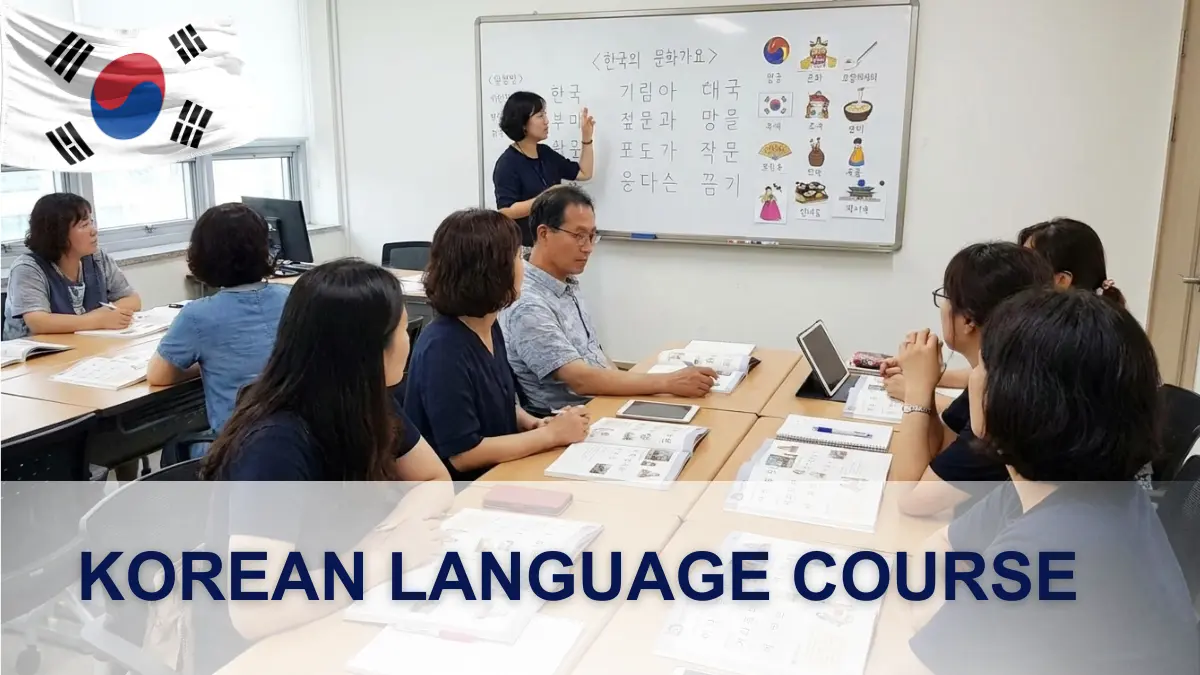
Korean Language Course
A Korean language course helps you learn reading, writing, speaking, and listening skills in a structured and practical way. It builds a strong foundation for real-life communication, academic goals, and career opportunities. The course also prepares you for Korean language tests like TOPIK, which are required for study and work in Korea.
Learn More →
Chinese Language Course: Complete Guide, Course Plan at Adroit for HSK 1-HSK 5 Level
This course offers a complete learning path from beginner to advanced levels (HSK 1 to HSK 5), covering speaking, reading, writing, and listening skills. It also prepares you for official HSK exams with a structured plan designed for academic, professional, and global opportunities.
Learn More →
24/7 Support

Award Winner

100% Secure