

Confined Space Entry & Rescue Training in Pakistan – By Adroit Group

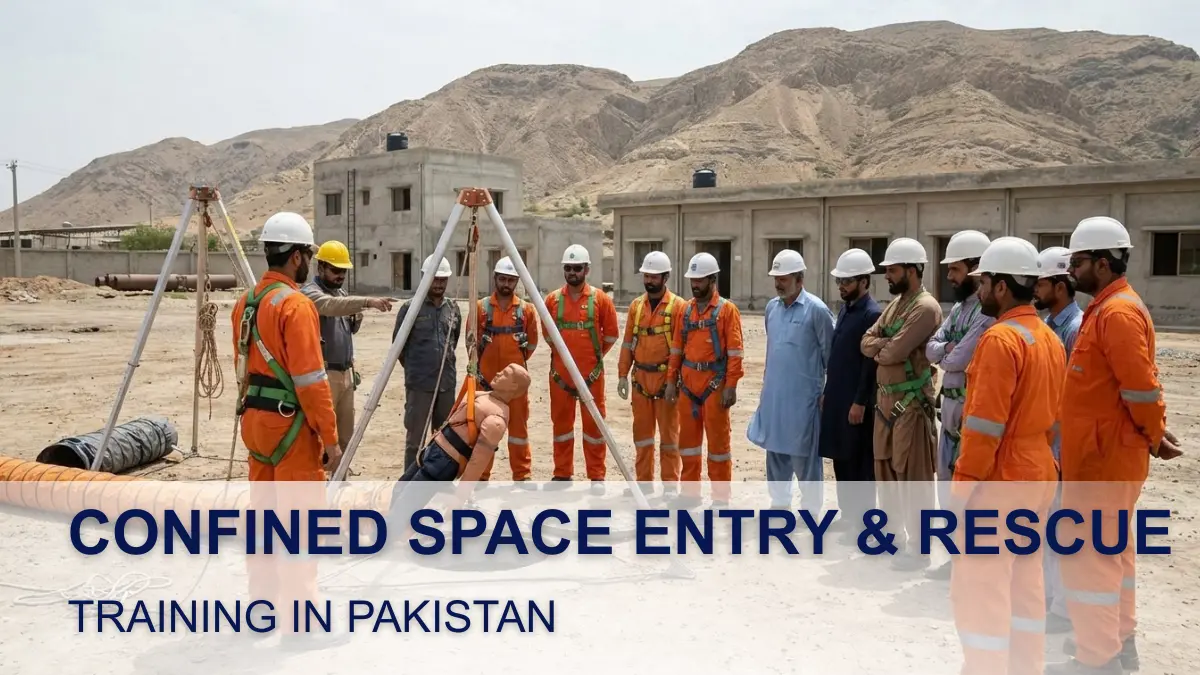
CONFINED SPACE ENTRY & RESCUE TRAINING – ADROIT TRAINING
Confined spaces create some of the most dangerous working conditions in any industry. Poor ventilation, limited entry and exit points, and the possibility of hazardous gases make these environments extremely high-risk. That is why Confined Space Entry & Rescue training by Adroit Training is essential to ensure workplace safety and operational continuity.
This specialised safety programme is designed to equip workers, supervisors, safety officers, and emergency response teams with the knowledge and practical skills required to safely enter, work in, and perform rescue operations within confined spaces. The training focuses on hazard identification, risk control, atmospheric testing, and emergency preparedness to prevent fatalities and serious injuries.
Confined spaces are commonly found across industries in Pakistan, including construction, oil and gas, manufacturing, utilities, and power plants. Without proper preparation, these environments can quickly become life-threatening. Confined Space Entry & Rescue training ensures that individuals understand the risks involved and are fully prepared to manage them safely and effectively.
WHY CONFINED SPACE ENTRY & RESCUE TRAINING IS ESSENTIAL
Working in confined spaces involves unique hazards that are often invisible and Unpredictable. Oxygen deficiency, toxic gases, engulfment risks, and restricted movement can turn routine work into an emergency within seconds. Implementing Confined Space Entry & Rescue training helps organisations proactively manage these risks.
Through this training, organisations can:
- Prevent fatalities and serious workplace injuries
- Improve hazard identification and risk control measures
- Ensure compliance with HSE and ISO safety standards
- Strengthen emergency preparedness and response capabilities
- Reduce downtime and operational disruptions
- Develop a proactive safety culture
By applying Confined Space Entry & Rescue principles, workers are able to recognise hazards before entry and take appropriate precautions. The training also prepares teams to respond quickly and effectively in emergency situations, reducing the likelihood of multiple casualties.
WHY CHOOSE CONFINED SPACE ENTRY & RESCUE WITH ADROIT TRAINING
Selecting the right training provider is critical for high-risk safety programmes. Adroit Training, part of the Adroit Group of Companies, delivers practical and industry-relevant programmes tailored to organisational needs in Pakistan. Their approach ensures that participants gain real-world skills that can be applied immediately.
The Confined Space Entry & Rescue programme stands out due to its structured methodology, experienced trainers, and practical application.
1. Practical and Industry-Focused Training
Participants learn through real-life scenarios, simulations, and hands-on exercises that closely reflect actual workplace conditions.
2. Focus on Hazard Prevention
The training emphasises identifying and controlling hazards before entry, significantly reducing the risk of accidents.
3. Integration with Permit to Work (PTW)
Participants understand how to apply PTW procedures effectively to ensure safe confined space operations.
4. Emergency Preparedness
The programme equips teams with the skills needed to respond quickly and efficiently in emergency situations.
5. Compliance with Safety Standards
Training aligns with HSE guidelines and ISO standards, ensuring organisations meet regulatory requirements.
WHO SHOULD ATTEND CONFINED SPACE ENTRY & RESCUE TRAINING
This training is suitable for a wide range of professionals involved in confined space operations. Whether working directly inside confined spaces or managing safety procedures, Confined Space Entry & Rescue skills are essential.
Ideal participants include:
- Confined space entrants
- Standby persons (hole watch)
- Supervisors and permit issuers
- Safety officers and HSE professionals
- Maintenance and utility workers
- Emergency response and rescue teams
- Contractors and subcontractors
No prior experience is required, making Confined Space Entry & Rescue training accessible to individuals across different industries and roles.
UNDERSTANDING CONFINED SPACES
A confined space is defined as an area that is not intended for continuous occupancy and has limited means of entry and exit. These spaces may include tanks, vessels, pipelines, manholes, tunnels, and storage silos. Understanding these environments is a fundamental part of Confined Space Entry & Rescue training.
Key Characteristics:
- Limited or restricted access
- Poor natural ventilation
- Potential for hazardous atmospheres
- Difficulty in evacuation during emergencies
Recognising these characteristics is the first step toward safe operations and effective application of Confined Space Entry & Rescue procedures.
CONFINED SPACE HAZARDS
Confined spaces contain multiple hazards that can quickly become life-threatening if not properly managed. These risks are often unseen, making awareness and preparation critical.
Common Hazards Include:
- Oxygen-deficient or oxygen-enriched atmospheres
- Toxic gases such as hydrogen sulfide or carbon monoxide
- Flammable gases and vapours
- Engulfment by liquids or loose materials
- Mechanical and electrical hazards
- Restricted movement and visibility
Through Confined Space Entry & Rescue training, participants learn to identify these hazards and apply appropriate control measures to ensure safe working conditions.
RISK ASSESSMENT AND PERMIT TO WORK (PTW)
Before entering any confined space, a detailed risk assessment must be conducted. This process involves identifying potential hazards, evaluating risks, and implementing control measures to minimise danger.
Key Components:
- Hazard Identification Risk Assessment (HIRA/HIRADC)
- Implementation of Permit to Work (PTW) systems
- Pre-entry inspections and approvals
- Clearly defined roles and responsibilities
- Effective communication procedures
The PTW system plays a vital role in Confined Space Entry & Rescue, ensuring that all safety requirements are met before entry is authorised.
ATMOSPHERIC TESTING AND MONITORING
Atmospheric testing is one of the most critical elements of confined space safety. Since many hazards are invisible, continuous monitoring is essential to protect workers.
Training Covers:
- Use of gas detection equipment
- Testing procedures before and during entry
- Understanding gas readings and exposure limits
- Calibration and maintenance of monitoring devices
Participants learn how to interpret readings accurately and take immediate action when unsafe conditions are detected, a key component of Confined Space Entry & Rescue.
CONTROL MEASURES AND SAFE ENTRY PROCEDURES
Safe entry into confined spaces requires a combination of engineering controls, administrative procedures, and personal protective equipment (PPE).
Key Measures Include:
- Ventilation to maintain safe air quality
- Isolation of energy sources (LOTO awareness)
- Use of appropriate PPE
- Installation of barriers and warning signs
- Clear entry and exit procedures
These control measures significantly reduce risks and support safe implementation of Confined Space Entry & Rescue practices in the workplace.
ROLES AND RESPONSIBILITIES
Effective confined space operations depend on clearly defined roles and responsibilities. Each team member plays a critical part in maintaining safety.
Key Roles:
- Entrant: Performs work inside the confined space
- Standby Person: Monitors conditions and maintains communication
- Supervisor: Ensures compliance with safety procedures
- Rescue Team: Responds in case of emergencies
Understanding these roles ensures coordination, accountability, and effective execution of Confined Space Entry & Rescue procedures.
EMERGENCY RESPONSE AND RESCUE PLANNING
Emergency preparedness is a critical component of working in confined spaces. Without proper Planning, rescue attempts can lead to additional casualties. Confined Space Entry & Rescue training equips participants with the knowledge and skills required to respond effectively during emergencies.
Key Elements:
- Emergency communication systems
- Alarm and evacuation procedures
- Coordination with external emergency services
- Rescue planning and regular drills
Participants learn how to respond quickly, minimise risks, and ensure that rescue operations are carried out safely using structured Confined Space Entry & Rescue procedures.
CONFINED SPACE RESCUE TECHNIQUES
Rescue operations in confined spaces are complex and high-risk. This training focuses on safe and effective techniques to ensure that rescue efforts do not put additional lives in danger.
Techniques Include:
- Non-entry rescue methods
- Use of rescue equipment such as tripods and harnesses
- Safe retrieval procedures
- Preventing multiple fatalities
These techniques form a critical part of Confined Space Entry & Rescue, ensuring that emergency situations are handled professionally and safely.
PRACTICAL EXERCISES AND SIMULATIONS
Hands-on training is essential for building real-world competence. This programme includes practical exercises that allow participants to apply their knowledge in controlled environments.
- Confined space entry drills
- Gas testing exercises
- Emergency response simulations
- Rescue scenario practice
These practical sessions strengthen confidence and ensure participants are fully prepared to implement Confined Space Entry & Rescue techniques in real situations.
TRAINING DELIVERY OPTIONS – ADROIT TRAINING
To meet the needs of different organisations, Adroit Training offers flexible delivery options for this programme.
- On-site workplace training
- Classroom-based sessions across Pakistan
- Corporate and customised programmes
- Practical demonstrations and drills
- Industry-specific training solutions
These options ensure that Confined Space Entry & Rescue training is delivered in a way that aligns with operational requirements and industry standards.
BENEFITS OF CONFINED SPACE ENTRY & RESCUE TRAINING
1. Enhanced Workplace Safety
Reduces the risk of accidents and fatalities in confined spaces through structured safety practices.
2. Improved Emergency Preparedness
Teams are better equipped to respond effectively to emergency situations.
3. Regulatory Compliance
Ensures adherence to HSE and ISO safety standards.
4. Increased Worker Confidence
Employees feel more confident and capable when working in high-risk environments.
5. Strong Safety Culture
Promotes a proactive and responsible approach to workplace safety.
Overall, Confined Space Entry & Rescue training supports both individual performance and organisational safety objectives.
CERTIFICATION
Upon successful completion, participants receive a Confined Space Entry & Rescue Training Certificate issued by Adroit Training. This certification is recognised by organisations across Pakistan and enhances professional credibility.
ENROL TODAY – CONFINED SPACE ENTRY & RESCUE TRAINING IN PAKISTAN
Protect lives and ensure safe confined space operations with professional training designed to meet industry requirements.
Delivered by Adroit Training, part of Adroit Group of Companies, Confined Space Entry & Rescue training empowers individuals and organisations to manage high-risk work safely and effectively.
Take the next step toward safer operations. Strengthen your workforce capabilities and build a safer workplace with Confined Space Entry & Rescue training in Pakistan.