

What is IELTS in Pakistan? A Complete Guide
When people in Pakistan want to study abroad, work abroad, or move to another country, they often ask, "What is IELTS in Pakistan?" A lot of people know the word, but not everyone knows what it means or why it's so important for students and professionals in Pakistan.
What does IELTS mean in Pakistan, first of all? IELTS stands for the International English Language Testing System. It is one of the most popular tests for English proficiency in the world, and it is very important for Pakistanis who want to study, work, or move to another country. This isn't just another test; it's meant to see how well you can use English in real life.
Unlike regular school tests, the IELTS doesn't test memory. It checks instead how well you can understand, talk, and write about things. Before you start studying, you should know what IELTS is in Pakistan.
What IELTS is Really For in Pakistan
Many people believe that IELTS is only about grammar and vocabulary, but that's not the case. The main reason for IELTS in Pakistan is to see how well you can talk to people in real life so you can do well in other countries.
For example:
- Can you understand what people are saying in English?
- Can you make your point clear?
- Can you handle real-life situations in a country where people speak English?
IELTS tests these skills in the real world.
Pakistani students and professionals who want to study, work, or move to another country often have to take the IELTS test.
Why IELTS is Important for Pakistanis All Over the World
IELTS is also important in Pakistan because it is accepted all over the world. More than 140 countries accept IELTS. Universities, immigration offices, and employers all over the world use IELTS scores to find out how well someone speaks English.
If you want to study in the UK, move to Canada, or work in Australia, you usually need to take the IELTS. This is why anyone who wants to live or work in another country should know what IELTS is in Pakistan.
IELTS is very important in Pakistan because thousands of students apply for visas and to study abroad every year.
Who in Pakistan Needs IELTS?
A lot of people believe that IELTS is only for students. But once you know what IELTS is in Pakistan, you can see that it can be used for a lot of different things.
You need IELTS for:
- Students who want to study abroad in college
- People who have jobs that involve travel
- People who want to live in another country or move there for good
In fields like healthcare, engineering, and teaching, it's very important to be able to talk to people clearly. That's why the IELTS test is so important for people in Pakistan.
Different types of IELTS tests in Pakistan
To really understand what IELTS is, you need to know about the different kinds of it in Pakistan.
There are two main types:
- IELTS Academic is only for school.
- IELTS General Training is for work and moving to a new country.
It depends on what you want to do to pick the right type.
What the IELTS Test Looks Like and How It Works in Pakistan
In Pakistan, you can take the IELTS in two ways:
- Paper-based
- Computer-based
Both formats have the same content and level of difficulty.
The test has four parts:
- Hearing
- Reading
- Writing
- Speaking
Each part tests a different way to talk to people. They all work together to show how well you speak English as a whole. The main idea behind IELTS in Pakistan is to fully test your skills.
What Sets IELTS Apart from Other English Tests
There are many English tests, such as the TOEFL and PTE. IELTS is different, though, because it is based on real-life communication.
The best way to answer the question "What is IELTS in Pakistan?" is to say that it is a test of how well you can communicate in real life for jobs all over the world.
It doesn't give you points for remembering things. Instead, it gives:
- Clear
- Trust
- Knowing how things work
This is why IELTS is still one of the most popular tests for people in Pakistan who want to study or work.
IELTS in Pakistan: Benefits in Real Life
You need to know what IELTS is in Pakistan and what its long-term benefits are if you want to know what it is.
Pakistanis get ready for the IELTS by:
- Learn how to talk to people better
- Get more self-assured
- Think clearly in English
- Get better grades in school
- Make it easier to find work abroad
IELTS is more than just a test; it's a way to learn new things.
Getting Ready for the IELTS in Pakistan
Getting ready is very important to a lot of people in Pakistan. It's easier to get ready for the IELTS test in Pakistan when you know what it is and that it's not about being perfect.
Part of being well-prepared is:
- Speak English every day
- Trust in speaking
- Better reading
- Listening exercises
- Writing with a plan
There are a lot of IELTS prep centers, online materials, and coaching schools in Pakistan that can help people do better on the test.
Last Thought
What does IELTS mean in Pakistan? At its most basic level, it is a test that is known all over the world that checks how well Pakistanis can speak and write English in everyday situations.
It's not about being perfect. It's about having conversations with each other.
When students and professionals in Pakistan know what IELTS is, the test is less stressful and more helpful. It doesn't have to be a problem; it can be a way to study abroad, move up in your career, and be successful all over the world.
If you want to make life better for everyone in Pakistan, the first step is to learn what IELTS is in Pakistan.
Getting Ready for the IELTS in Pakistan: A Hands-On Approach
The next step after learning what IELTS is in Pakistan is to get ready for it. At this point, a lot of students and professionals in Pakistan have trouble with IELTS. This isn't because the test is too hard; it's because they often study in the wrong way.
A big reason why candidates don't get the score they want is not because they aren't smart, but because they didn't prepare well. Once you really know what IELTS is in Pakistan, it becomes easier, more focused, and more useful to get ready for it.
A common problem with IELTS preparation in Pakistan
People in Pakistan often make the mistake of treating IELTS like a regular school test after they learn what it is.
A lot of students:
- Learn the answers by heart
- Pay too much attention to grammar rules
- Don't worry about practical speaking practice
- Learn without a plan
But that's not how IELTS works.
The IELTS test is meant to see how well you can communicate in real life. It tests how well you can use English in school, at work, and when you move to a new country.
The Right Way to Prepare for the IELTS
After learning what IELTS is in Pakistan, the best way to get ready is to work on your practical communication skills.
Your preparation for the IELTS test must also be based on skills, since it is a skills-based test.
Instead of learning by heart:
- Do it every day
- Speak English like you mean it
- Concentrate on getting it
- Gain confidence
This method really helps all four parts of the IELTS test.
Daily IELTS Practice Schedule in Pakistan
Long, irregular study sessions don't help as much as regular ones.
A simple but very useful daily routine includes:
- Practice for 20 to 30 minutes every day
- Hearing English audio
- Reading short pieces
- Making short paragraphs
- Talking to each other often
This method is a perfect fit for IELTS in Pakistan because it focuses on developing real language skills instead of memorizing things.
IELTS Preparation by Section
Students in Pakistan need to plan ahead for each section in order to do well.
Paying Attention
Hear:
- Podcasts
- Videos in English
- Academic talks
Instead of translating every word, focus on understanding what it means.
Reading
IELTS reading needs:
- Skimming
- Scanning
- Quickness
- Correctness
Read timed passages to practice.
Writing
Preparation for writing should focus on:
- A clear beginning
- Ideas that are well-organized
- A logical structure
- Language that is easy to understand but correct
Talking
It's important to be confident when you speak.
Try it out:
- Talking to each other every day
- Clear pronunciation
- Answers that are organized
- Fluency
In IELTS, being sure of yourself is often more important than being perfect.
The Importance of Consistency
A lot of students in Pakistan study hard for one or two days and then stop.
This method doesn't work.
To really do well after learning what IELTS is in Pakistan, you need to practice all the time.
Important truth:
Small steps every day lead to big changes over time.
Common Mistakes People Make When Preparing for the IELTS in Pakistan
Stay away from these big mistakes:
- Learning answers by heart
- Not practicing speaking
- Paying too much attention to grammar
- Study habits that aren't always the same
- Not taking practice tests
These mistakes often lower the total band scores.
Use English Content from Real Life
Using real English materials is one of the best ways to do well on the IELTS in Pakistan.
Recommended:
- Podcasts
- Articles in the news
- Videos on YouTube that teach
- Conversations every day
Real-world content helps you get used to how people really use English.
The Role of Professional Help
Self-study can help, but getting help from an expert often speeds up progress.
A good IELTS teacher can:
- Find errors
- Give feedback
- Make the weak parts better
- Make a clear plan
- Boost your confidence
This is especially useful for Pakistani students who want to get higher band scores.
How Long It Takes to Get Ready for the IELTS
How long you need to prepare depends on how good your English is right now.
Average time frame:
- For beginners: 8 to 12 weeks
- Intermediate: 4 to 8 weeks
- Advanced: 2–4 weeks
Most students in Pakistan can make a lot of progress in 4 to 8 weeks of regular practice.
Mindset for IELTS Preparation
Getting ready for the IELTS isn't about being perfect.
It is about:
- Talking
- Trust
- Plan
- Betterment
There will be days when things move slowly, and progress may feel slow at times. That's totally normal.
When you fully understand what IELTS is in Pakistan, you stop being afraid and start thinking about how to grow.
Final Tips for Preparing for the IELTS in Pakistan
- Do it every day
- Keep it up
- Pay attention to communication
- Boost your confidence
- Speak in real English
- Don't take short cuts
- Take practice tests
Last Thought
Pakistani students can pass the IELTS test.
Once you know what IELTS is in Pakistan and how to study for it the right way, the test becomes much easier to handle.
The real secret is easy:
Consistency + Talking to Each Other + Smart Practice
IELTS is more than just a test if you prepare for it the right way. It's a way to get into school, move to a new country, and get a good job.
Types of IELTS Tests in Pakistan – Complete Guide
When students and professionals begin researching what is IELTS in Pakistan, one of the most important areas they must understand is the different types of IELTS Tests available. Choosing the correct IELTS module is essential because your test type directly depends on your future goals, whether that involves higher education, international employment, or immigration.
IELTS in Pakistan is one of the most recognized English language proficiency systems for individuals who want to study abroad, work internationally, or migrate to countries like the UK, Canada, Australia, or New Zealand.
Understanding what is IELTS in Pakistan also means understanding that IELTS is not a one-size-fits-all exam. There are two major IELTS test types, and selecting the wrong one can affect your academic or immigration process.
Main Types of IELTS Tests in Pakistan
There are two primary types of IELTS Tests:
- IELTS Academic
- IELTS General Training
Both versions evaluate the same four essential language skills:
- Listening
- Reading
- Writing
- Speaking
However, the purpose, content style, and difficulty focus may differ depending on the chosen module.
IELTS Academic in Pakistan
The IELTS Academic module is designed for students and professionals who wish to:
- Apply to international universities
- Pursue undergraduate or postgraduate studies
- Register with professional organizations abroad
- Meet educational visa requirements
For students researching what is IELTS in Pakistan, the Academic version is usually the preferred choice for study abroad pathways.
Academic Module Focus:
- Advanced vocabulary
- Academic reading passages
- Formal writing tasks
- University-level communication
This module is specifically structured to assess whether candidates can manage the linguistic demands of educational institutions and professional environments.
IELTS General Training in Pakistan
The IELTS General Training module is more suitable for individuals planning to:
- Migrate abroad
- Apply for work visas
- Seek international employment
- Join training programs or secondary education abroad
For candidates exploring what is IELTS in Pakistan for immigration or work purposes, General Training is often the correct option.
General Training Focus:
- Everyday communication
- Workplace English
- Practical reading materials
- Social interaction skills
This version is less academically intensive but still requires strong communication ability.
IELTS Test Structure in Pakistan
Both IELTS Academic and General Training contain four sections:
Listening
- Duration: 30 minutes
- Questions: 40
Reading
- Duration: 60 minutes
- Questions: 40
Writing
- Duration: 60 minutes
- Tasks: 2
Speaking
- Duration: 11–14 minutes
- Format: Face-to-face interview
This structure ensures a full evaluation of practical English skills.
Listening Section
The Listening section is the same for both IELTS types.
It assesses:
- Understanding conversations
- Identifying main ideas
- Following discussions
- Recognizing opinions
Candidates hear multiple accents including:
- British
- Australian
- North American
- New Zealand
This reflects real-world global communication.
Reading Differences
IELTS Academic Reading:
- University texts
- Journals
- Articles
- Research-based passages
IELTS General Training Reading:
- Advertisements
- Notices
- Workplace documents
- Social materials
This distinction is critical when deciding what is IELTS in Pakistan for your goals.
Writing Differences
Academic Writing:
- Graphs
- Charts
- Diagrams
- Analytical essays
General Training Writing:
- Formal letters
- Informal letters
- Practical essays
Both require clarity, structure, and grammar accuracy.
Speaking Section
The Speaking module remains the same for both IELTS types.
It evaluates:
- Fluency
- Pronunciation
- Vocabulary
- Confidence
- Communication clarity
This section often plays a major role in overall band performance.
Which IELTS Test is Best in Pakistan?
Choose IELTS Academic if:
- You plan to study abroad
- You need university admission
- You require professional licensing
Choose IELTS General Training if:
- You plan to migrate
- You need work opportunities
- You are applying for residency
Selecting the correct module is one of the most important decisions for anyone understanding what is IELTS in Pakistan.
Common Mistakes Pakistani Candidates Make
Many candidates make avoidable errors such as:
- Choosing the wrong IELTS type
- Ignoring module differences
- Underestimating speaking practice
- Over-memorizing
- Lack of structured preparation
Avoiding these mistakes can significantly improve performance.
Importance of Understanding IELTS Types in Pakistan
For Pakistani students and professionals, understanding what is IELTS in Pakistan goes beyond simply knowing the exam exists.
It means understanding:
- Which module suits your goals
- How each section works
- What skills are tested
- How to prepare strategically
This knowledge can save time, money, and future complications.
Final Thought
When asking what is IELTS in Pakistan, understanding the different IELTS test types is essential.
IELTS Academic and IELTS General Training each serve different purposes, but both act as powerful gateways to:
- International education
- Global careers
- Immigration success
- Professional advancement
Choosing the correct IELTS type and preparing properly can significantly increase your chances of success.
For anyone in Pakistan planning an international future, understanding IELTS types is one of the smartest first steps toward global opportunity.
Complete Guide to the Structure of the IELTS Exam in Pakistan
After you know what IELTS is in Pakistan and which module to take, the next important step is to learn about the structure of the IELTS exam. For students and professionals in Pakistan, knowing the exact IELTS format is very important. This is because knowing how the test is set up helps them plan better, feel more confident, and do better overall.
A lot of people in Pakistan have trouble with the IELTS exam not because their English is bad, but because they don't fully understand how it works.
To do well on the IELTS in Pakistan, you need to know what it is, how long it lasts, how it is scored, and how it is broken down into sections.
A look at how the IELTS exam works in Pakistan
The IELTS test in Pakistan has four main parts that test your ability to communicate in English in real-life situations:
- Hearing
- Reading
- Writing
- Talking
These four parts look at how well candidates can use English in real-life academic, professional, and social situations.
Total time for the IELTS:
About 2 hours and 45 minutes
How to Break Down IELTS Module Timing
Listening:
- Time: 30 minutes
- Questions: 40
Reading:
- Time: 60 minutes
- 40 Questions
Writing:
- Time: 60 minutes
- Tasks: 2
Talking:
- Time: 11 to 14 minutes
- Style: Interview in person
Usually, the Listening, Reading, and Writing sections are all done on the same day. The Speaking section, on the other hand, may be done on a different day.
Understanding this structure is a big part of knowing what IELTS is in Pakistan because being able to manage your time well is very important for getting a good score.
The Listening Section in Pakistan
The Listening section is the same for people taking the IELTS Academic and General Training tests.
It has:
- Talking to people every day
- Situations in which people are together
- Talks about school
- Monologues
Listening tests:
- Understanding the main idea
- Particulars
- Thoughts and feelings
- After talks
Important preparation strategy:
Pakistani candidates should practice on a regular basis:
- Audio shows
- Talks about school
- Conversations in English
- Practice listening tests
Having good listening skills makes a big difference in how well you do on the IELTS.
The Reading Section in Pakistan
The Reading section is different for each type of IELTS.
Reading for the IELTS Academic Test:
- Passages for college students
- Notebooks
- Articles about research
- Difficult academic texts
General Training Reading for the IELTS:
- Announcements
- Ads
- Papers for the office
- Texts for everyday communication
Reading tests:
- Skimming
- Scanning
- Quickness
- Recognizing details
- Understanding the argument
For students in Pakistan who are learning about IELTS, reading speed and time management are often the hardest parts.
Writing Part in Pakistan
There are two tasks in the Writing module.
Task 1:
School:
Explain:
- Graphs
- Charts
- Charts
- Drawings
General Training:
Write:
- Letters that are formal
- Letters that aren't formal
Task 2:
Write an essay about:
- Issues
- Thoughts
- Reasons
- Answers
Writing tests:
- Makeup
- Grammar
- Words
- Consistency
- Clear
One of the most important things you can do to be successful is to write regularly.
Speaking Section in Pakistan
A lot of people are afraid of the Speaking section, but it's actually one of the easiest to handle if you prepare well.
Speaking is made up of:
- Introduction to oneself
- Topic for the cue card
- Longer talk
Speaking tests:
- Fluency
- How to say it
- Trust
- Words
- How well you communicate
For many candidates in Pakistan, being able to speak well is more important than having perfect grammar.
How to Score on the IELTS
The IELTS test gives you a band score between 0 and 9.
Levels of Bands:
- Band 9: Advanced user
- Band 8: A very good user
- Band 7: A good user
- Band 6: Good at using it
- Band 5: Average user
Typical score requirements:
- Studying abroad: 6.0–7.5
- Immigration: Different in each country
- Getting a professional license: Usually 7.0 or higher
To set realistic preparation goals, you need to know what the band needs.
Types of IELTS Tests in Pakistan
People who want to run for office in Pakistan can choose:
IELTS on Paper
Old-fashioned handwritten style.
IELTS on a Computer
Digital test that processes results more quickly.
Both formats have the same level of difficulty and scoring standards.
The best format for you depends on how comfortable you are and how you like to take tests.
IELTS Fees in Pakistan
The cost of the IELTS test depends on the type of test and the center.
Some common choices are:
- IELTS on a computer
- IELTS for UKVI
- Life Skills for IELTS
Pakistani candidates should always check the current prices before registering because fee structures can change.
Common Mistakes in the Structure of IELTS in Pakistan
Candidates often make mistakes that could have been avoided, such as:
- Not managing time well
- Not getting ready to speak
- Not fully understanding what the task needs
- Not enough practice with mock tests
- Too much memorization
Avoiding these problems can make a big difference in how well you do.
The Best Way to Get Ready for the IELTS Structure
Pakistani students should do the following to learn the structure of the IELTS:
- Get to know the format of each section
- Practice with a time limit
- Take practice tests
- Pay attention to your weak points
- Learn how to talk and write in English in a useful way
This approach aligns perfectly with understanding what is IELTS in Pakistan.
Final Thought
Understanding IELTS structure is one of the most important steps for anyone exploring what is IELTS in Pakistan.
The exam is not designed to trick candidates—it is designed to evaluate real-world communication.
Once Pakistani students understand:
- IELTS types
- Section formats
- Time limits
- Scoring system
- Preparation strategy
The test becomes significantly more manageable.
For candidates in Pakistan, proper understanding of IELTS exam structure transforms preparation from confusion into confidence.
IELTS is not simply an exam—it is a gateway to:
- International education
- Career growth
- Migration success
- Global opportunities
Mastering the structure is the first real step toward achieving those goals.
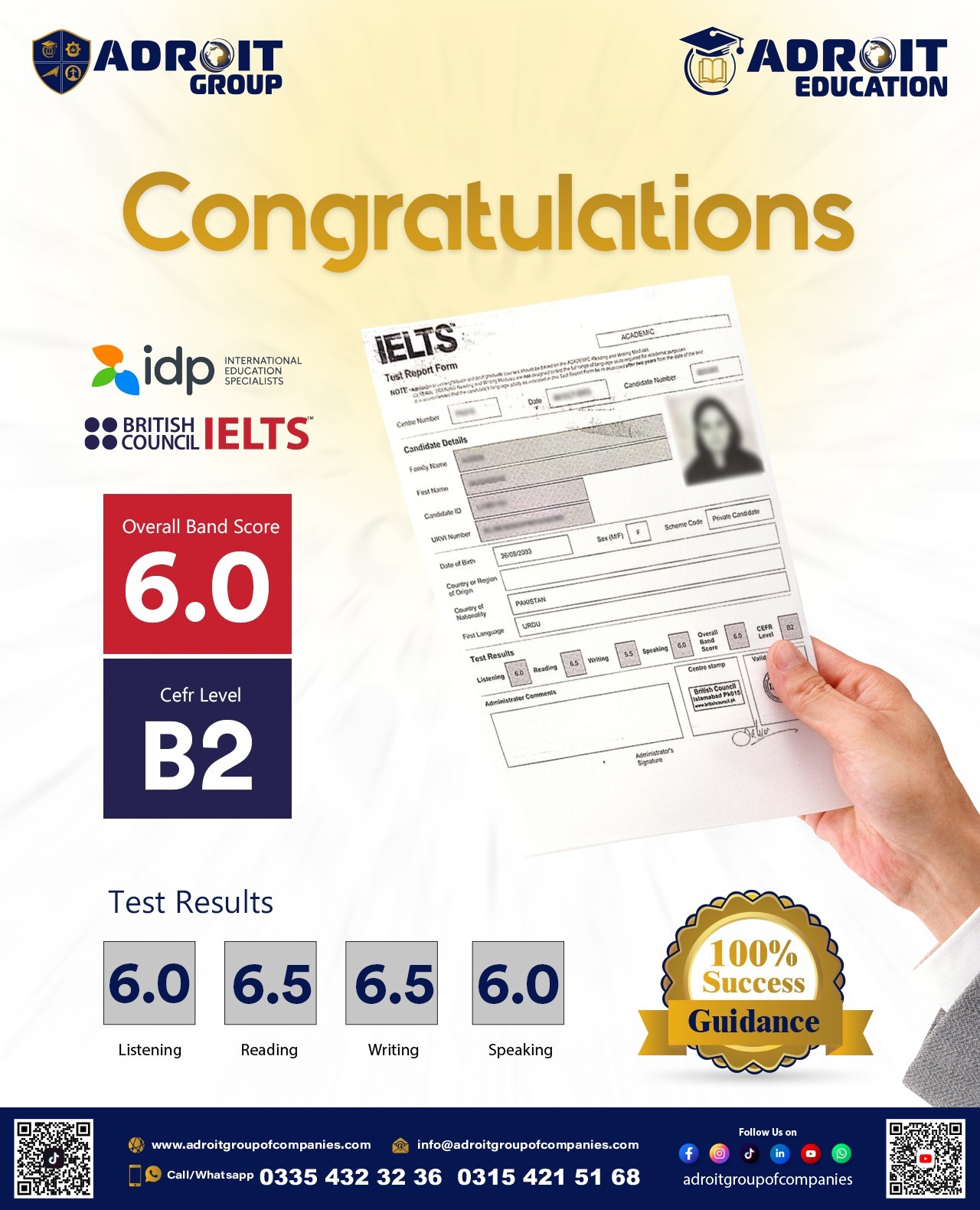
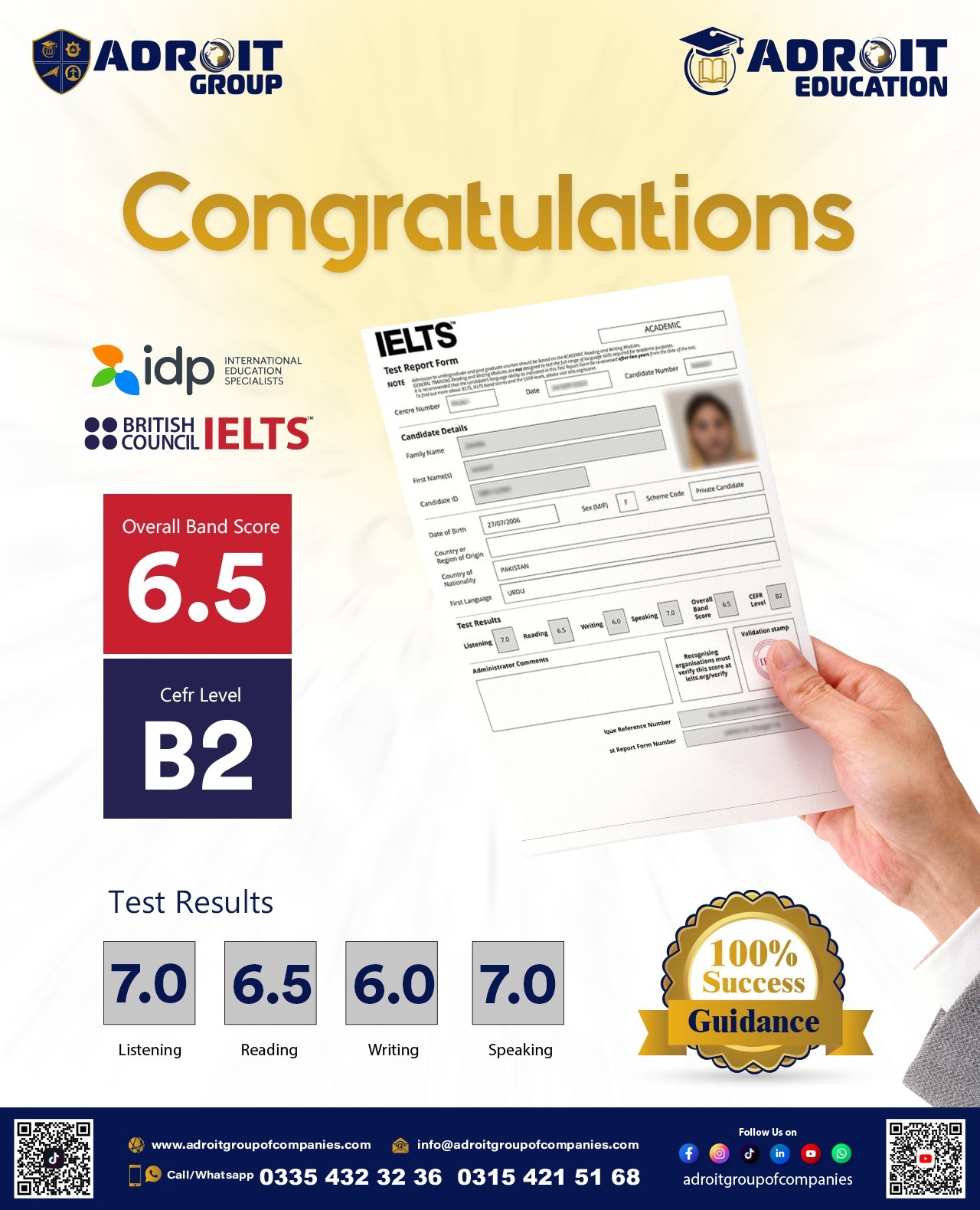
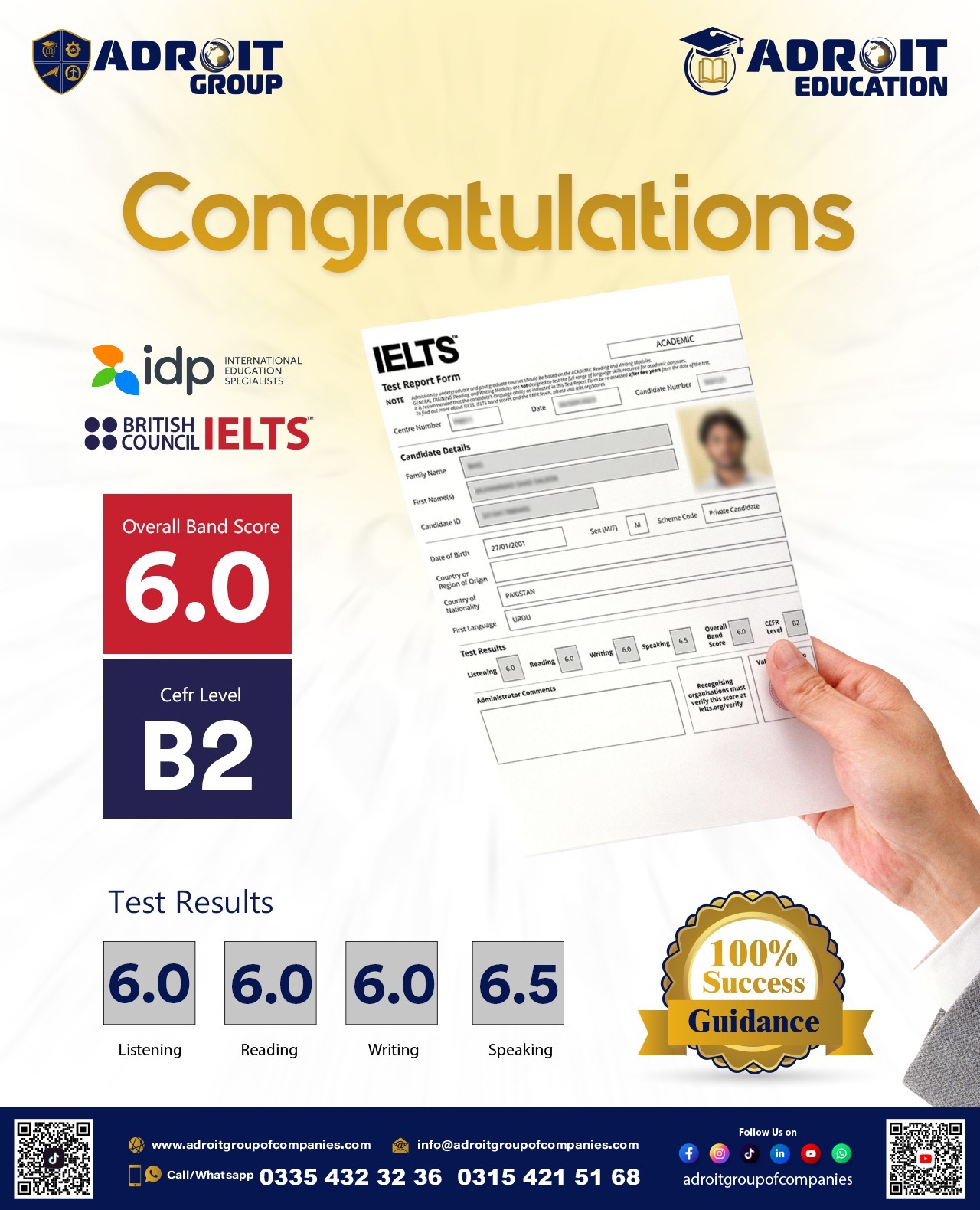
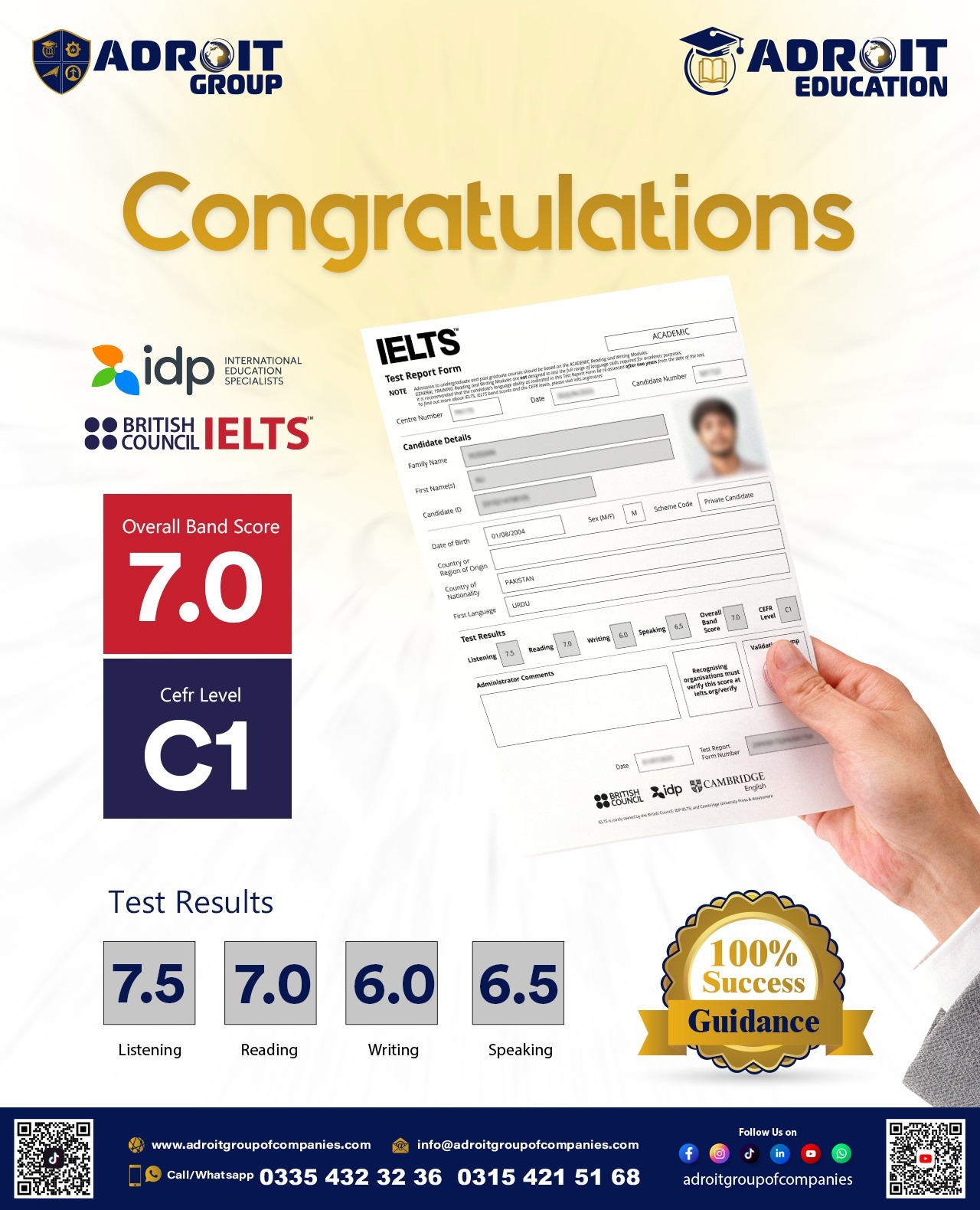
IELTS Visual Gallery
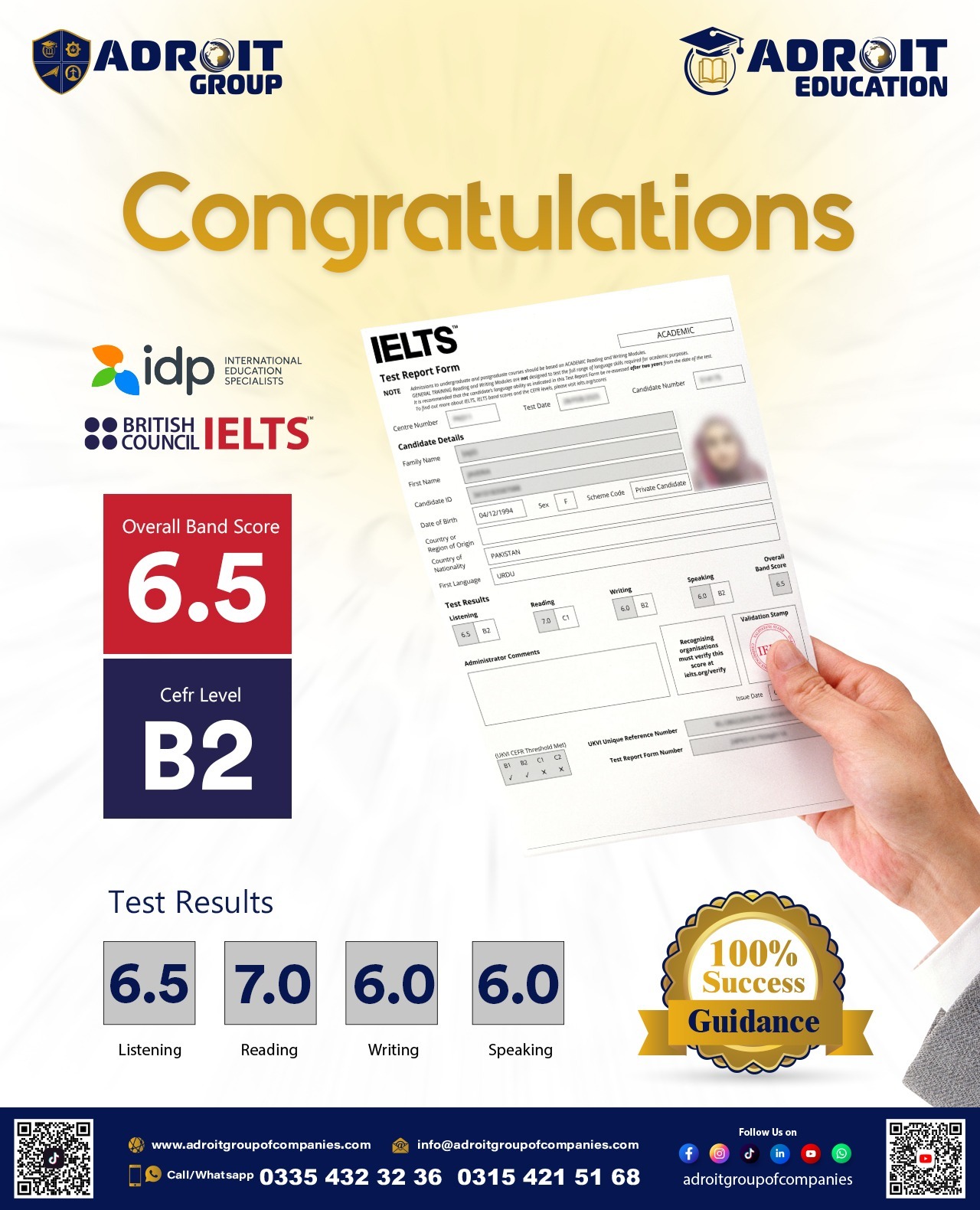
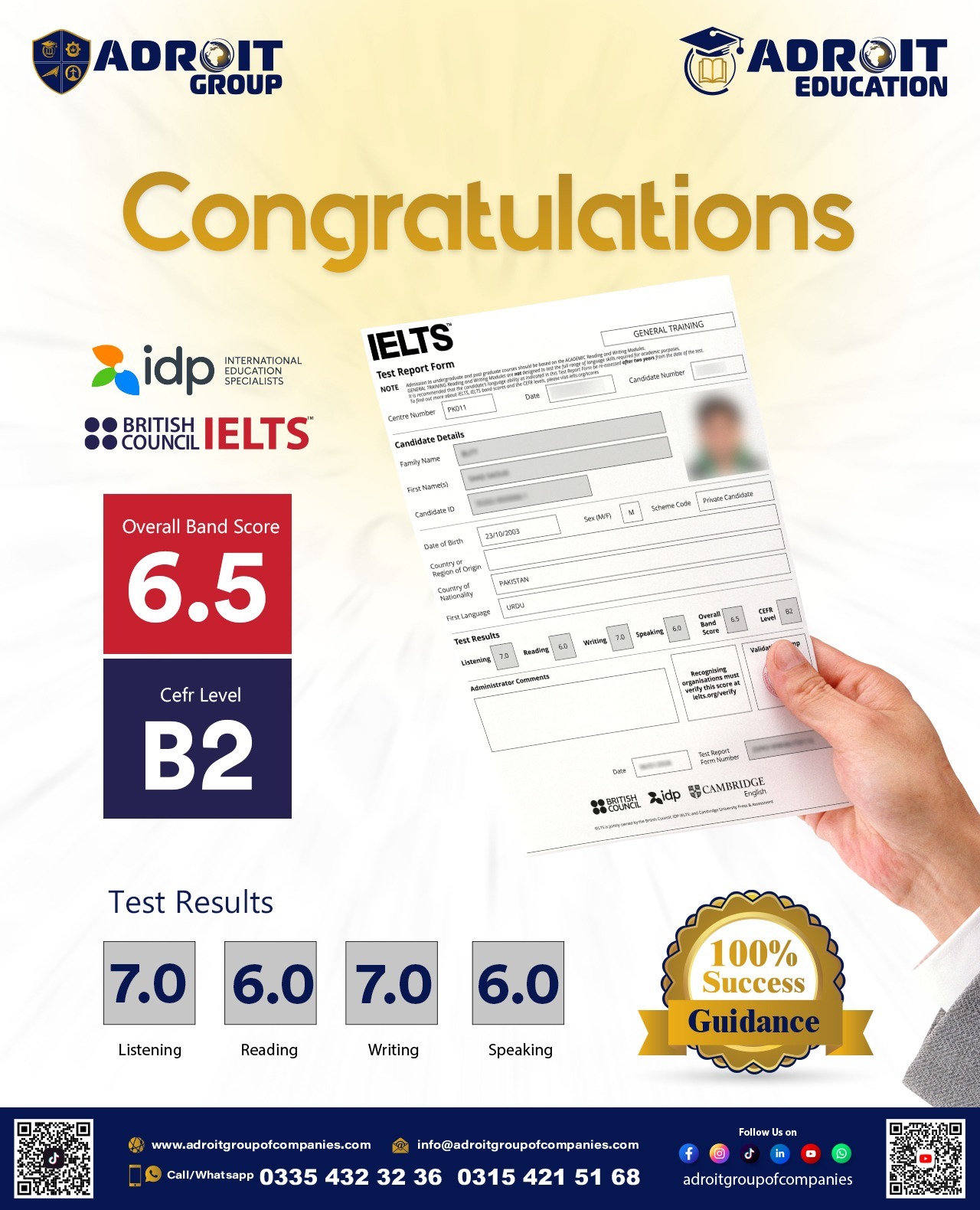
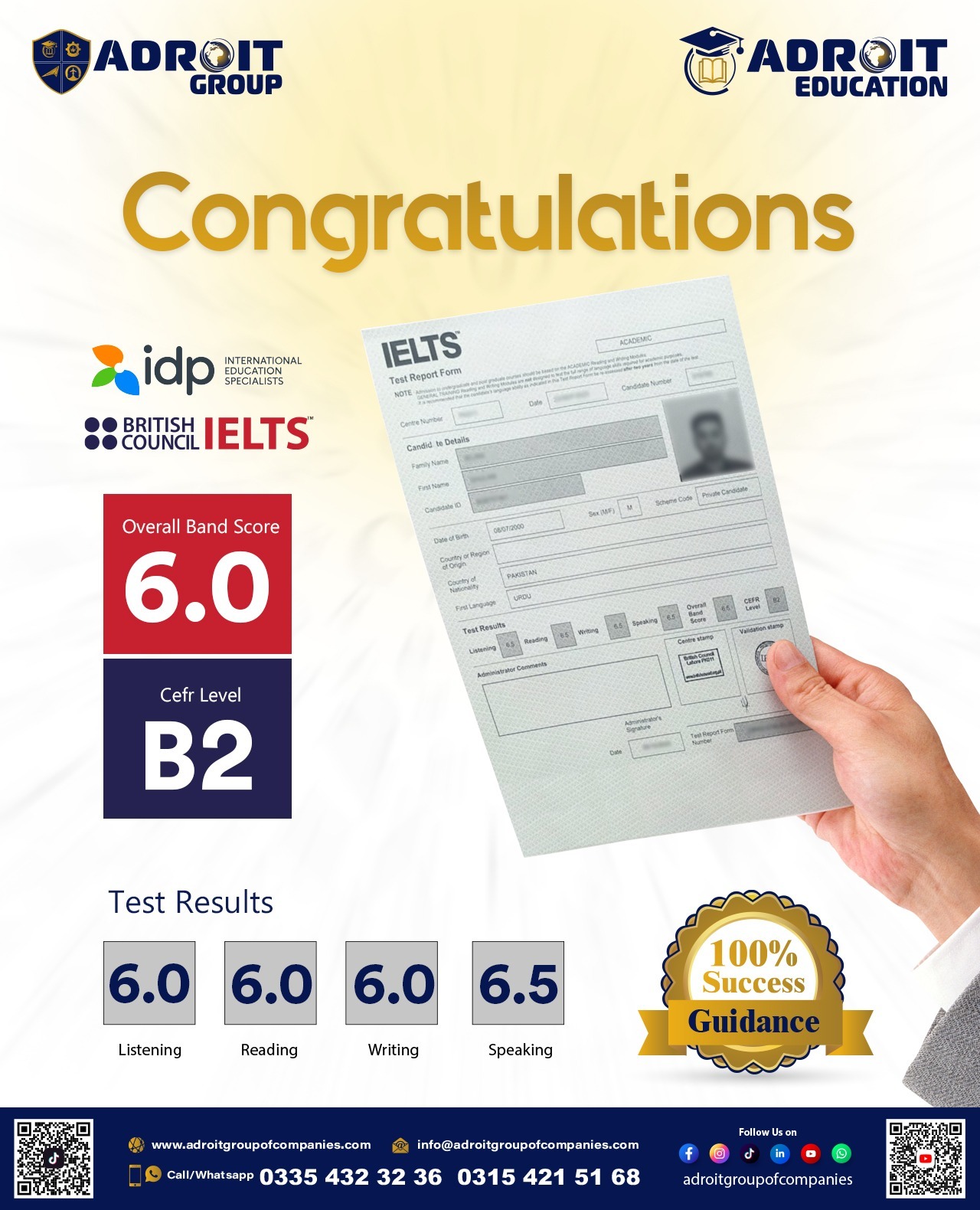
Questions and Answers About IELTS in Pakistan
1. What is IELTS in Pakistan?
What does IELTS mean in Pakistan? Pakistani students, professionals, and immigrants use it to study abroad, find work, and move to another country. It is an internationally recognized test of English language skills.
2. Why do people in Pakistan need to take the IELTS?
IELTS is necessary because it shows that Pakistani candidates can communicate well in English-speaking countries for work, school, or moving there.
3. Is it hard for Pakistani students to take the IELTS?
No, IELTS is not hard for Pakistani students if they know what it is, plan ahead, and practice regularly.
4. How long does it take to get ready for the IELTS in Pakistan?
Most people in Pakistan who want to take the IELTS test need to study for 4 to 8 weeks, depending on how good their English is now, how they study, and what band score they want to get.
5. What is a good IELTS score in Pakistan?
In Pakistan, a good IELTS score is usually between Band 6.5 and 7.5, but this can change depending on the university, visa, or job requirements.
6. Is it possible to study for the IELTS in Pakistan at home?
Pakistani students can study for the IELTS at home using online resources, practice materials, and mock tests. However, getting help from a professional may help them get better results faster.
7. How many parts does the IELTS test in Pakistan have?
There are four parts to the IELTS test in Pakistan:
- Listening
- Reading
- Writing
- Talking
These parts test how well you can communicate in English as a whole.
8. What are the differences between IELTS Academic and General Training in Pakistan?
IELTS Academic is for Pakistani students who want to study abroad, and IELTS General Training is for people who want to work or move to another country.
9. How many times can I take the IELTS test in Pakistan?
There is no hard limit. Pakistani candidates can take the IELTS test as many times as they need to get the score they want.
10. Is IELTS just for people in Pakistan?
No, knowing what IELTS is in Pakistan also means knowing what IELTS is good for:
- Kids
- Experts
- Workers with skills
- People who move
IELTS helps people reach a lot of different international goals.
Last Thought
Knowing what IELTS is in Pakistan helps students and professionals make smart choices about moving, studying abroad, and getting ahead in their careers.
IELTS can help you succeed internationally if you prepare well, plan ahead, and practice regularly.



Highly recommended for anyone looking to unleash and level up their digital skills.

















IELTS UKVI and IELTS Life Skills
IELTS UKVI is an approved English test for UK visa and immigration applications. IELTS Life Skills is a basic speaking and listening test for UK family and visa purposes.
Learn More →
The Ultimate Guide to IELTS Exam in 2026
The ultimate guide to IELTS in 2026 covering exam fees, formats, duration, scoring, and preparation strategies.
Learn More →
Types of IELTS Tests
Different IELTS test types designed for study, work, immigration, and UK visa purposes. Choosing the right IELTS test depends on your goals.
Learn More →
24/7 Support

Award Winner

100% Secure