

Behavior‑Based Safety (BBS) Training – Adroit Training

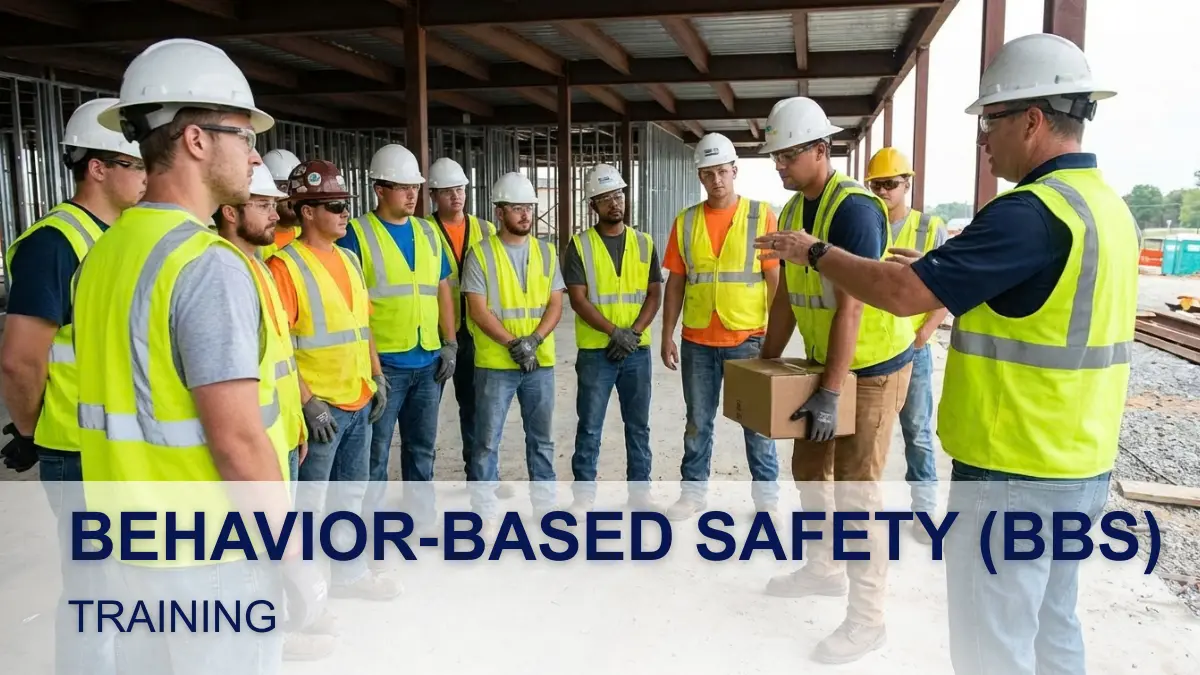
Behavior-Based Safety Training in Pakistan
Behavior-Based Safety is a practical approach that focuses on improving workplace safety by addressing human behavior. Behavior-Based Safety helps organisations identify unsafe actions and reduce risks before incidents occur.
This Training programme is designed for employees, supervisors, and safety professionals to understand and improve workplace behaviors. By applying Behavior-Based Safety, organisations can strengthen safety practices and create a proactive work environment.
In industries such as construction, manufacturing, and oil & gas, Behavior-Based Safety plays a key role in preventing workplace accidents. While traditional safety systems focus on procedures, Behavior-Based Safety focuses on how people behave in real working conditions.
Participants learn through case studies, role plays, and practical exercises. This ensures Behavior-Based Safety can be implemented effectively in daily operations.
Why Behavior-Based Safety Is Important
Many workplace incidents occur due to unsafe actions rather than unsafe conditions. Behavior-Based Safety helps organisations recognise these behaviors early and take corrective action.
- Identify unsafe behaviors before incidents occur
- Improve compliance with HSE, OSHA, and ISO standards
- Enhance communication across teams
- Reduce workplace incidents and downtime
- Build a strong safety culture
Behavior-Based Safety focuses on understanding why people act in certain ways and how those behaviors can be improved. This leads to long-term safety improvement instead of short-term fixes.
Why Choose Behavior-Based Safety Training with Adroit Training
Adroit Training delivers practical and industry-focused programmes designed to meet workplace safety needs. Behavior-Based Safety training helps organisations improve safety performance and reduce risks.
1. Practical Learning Approach
Participants learn through real-world scenarios that demonstrate Behavior-Based Safety in action.
2. Observation and Feedback
Behavior-Based Safety training focuses on observing behaviors and providing constructive feedback.
3. Compliance with Standards
The programme supports HSE, OSHA, and ISO safety requirements.
4. Behaviour Improvement
Behavior-Based Safety helps improve workplace behavior and reduce unsafe actions.
5. Industry-Relevant Training
The training is designed for multiple industries to ensure practical application.
Who Should Attend Behavior-Based Safety Training
This programme is suitable for individuals involved in workplace safety and operations.
- Safety officers and HSE professionals
- Supervisors and team leaders
- Workers in high-risk industries
- Contractors and subcontractors
- Facility and plant managers
Behavior-Based Safety training is suitable for both beginners and experienced professionals.
Introduction to Behavior-Based Safety
Behavior-Based Safety is a proactive approach that focuses on identifying and improving unsafe workplace behaviors. Behavior-Based Safety helps organisations understand how human actions contribute to incidents and how those behaviors can be corrected.
By applying Behavior-Based Safety, organisations can reduce risks and improve overall workplace safety performance. This approach ensures that employees are aware of their actions and take responsibility for maintaining a safe working environment.
Key Concepts of Behavior-Based Safety
- Understanding how behavior impacts workplace safety
- Identifying unsafe actions and their consequences
- Recognising the connection between behavior and incidents
- Using observation to improve safety practices
These concepts help participants understand how Behavior-Based Safety works in real workplace situations and how it can be applied effectively.
Principles of Behavior-Based Safety
The effectiveness of Behavior-Based Safety is based on key principles such as observation, feedback, and continuous improvement. These principles help organisations build a structured safety system focused on behavior.
Core Principles:
- Observing workplace behaviors regularly
- Encouraging safe actions through positive reinforcement
- Correcting unsafe behaviors constructively
- Involving employees in safety practices
- Improving safety processes continuously
Applying these principles ensures that Behavior-Based Safety leads to long-term improvements in safety performance.
Behavior-Based Safety Hazard Identification
Identifying unsafe behaviors is a key step in preventing workplace incidents. Behavior-Based Safety focuses on recognising actions that can lead to accidents and addressing them early.
Key Focus Areas:
- Recognising high-risk behaviors in daily work
- Understanding how unsafe actions lead to incidents
- Conducting behavioral risk assessments
- Identifying patterns in unsafe behavior
Through Behavior-Based Safety, organisations can take preventive actions and reduce workplace risks effectively.
Observation and Feedback in Behavior-Based Safety
Observation and feedback are central to Behavior-Based Safety. This process helps identify unsafe practices and improve behavior through communication.
Key Steps:
- Conducting structured safety observations
- Engaging employees in safety discussions
- Providing constructive feedback
- Encouraging accountability and awareness
This approach creates a positive work environment where employees actively participate in improving safety.
Roles and Responsibilities in Behavior-Based Safety
Successful implementation of Behavior-Based Safety requires clear roles and responsibilities across all levels of the organisation.
Key Roles:
- Workers: Follow safe practices and participate in observations
- Supervisors: Monitor behavior and guide teams
- Safety Officers: Implement programmes and track performance
- Management: Support and promote safety culture
Collaboration ensures that Behavior-Based Safety is implemented effectively and leads to sustainable safety improvements.
Building a Safety Culture Through Behavior-Based Safety
A strong safety culture is essential for long-term organisational success. Behavior-Based Safety helps organisations create an environment where safety becomes a shared responsibility and part of everyday work practices.
Key Strategies:
- Promoting open communication about safety
- Encouraging peer-to-peer engagement and accountability
- Recognising and reinforcing safe behaviors
- Continuously improving safety practices
By implementing Behavior-Based Safety, organisations can develop a culture where employees actively contribute to maintaining a safe and productive work environment.
Emergency Awareness and Response in Behavior-Based Safety
Behavior plays a critical role during emergencies. The way individuals respond in high-pressure situations can significantly impact outcomes. Behavior-Based Safety training prepares participants to respond effectively and responsibly.
Key Elements:
- Understanding behavioral responses during emergencies
- Following emergency procedures correctly
- Reporting incidents accurately
- Learning from incidents to prevent recurrence
This ensures that employees remain prepared and confident when responding to workplace emergencies.
Practical Awareness and Case Studies in Behavior-Based Safety
Practical learning is an essential part of effective training. Participants engage in activities that reinforce understanding and improve real-world application of Behavior-Based Safety.
- Analysis of real workplace incidents
- Role-play exercises and simulations
- Group discussions and interactive sessions
- Safe versus unsafe behavior comparisons
These activities ensure that Behavior-Based Safety principles are applied effectively in daily work situations.
Training Delivery Options – Adroit Training
Adroit Training offers flexible delivery options to meet the needs of organisations across different industries.
- On-site safety training programmes
- Classroom-based sessions
- Corporate and customised training
- Industry-specific safety culture programmes
- Practical demonstrations and interactive learning
These options ensure that Behavior-Based Safety training remains Practical and accessible.
Benefits of Behavior-Based Safety Training
1. Improved Workplace Safety
Reduces accidents by identifying and correcting unsafe behaviors before incidents occur.
2. Enhanced Compliance
Supports adherence to HSE, OSHA, and ISO safety standards.
3. Better Communication
Encourages open dialogue across teams.
4. Increased Employee Engagement
Involves employees actively in safety initiatives.
5. Strong Safety Culture
Promotes accountability and continuous improvement across the organisation.
Overall, Behavior-Based Safety improves both individual performance and organisational safety outcomes.
Certification
Upon successful completion, participants receive a Behavior-Based Safety Training Certificate issued by Adroit Training. This certification is recognised by organisations across Pakistan.
Enrol Today – Behavior-Based Safety Training in Pakistan
Protect workers, prevent accidents, and improve workplace safety with Behavior-Based Safety training designed for real-world application.
Delivered by Adroit Training, part of Adroit Group of Companies, Behavior-Based Safety empowers organisations to create safer workplaces through observation, awareness, and continuous improvement.
Take the next step toward safety excellence. Equip your workforce with the skills needed to identify risks, improve behaviors, and maintain a safe working environment.